
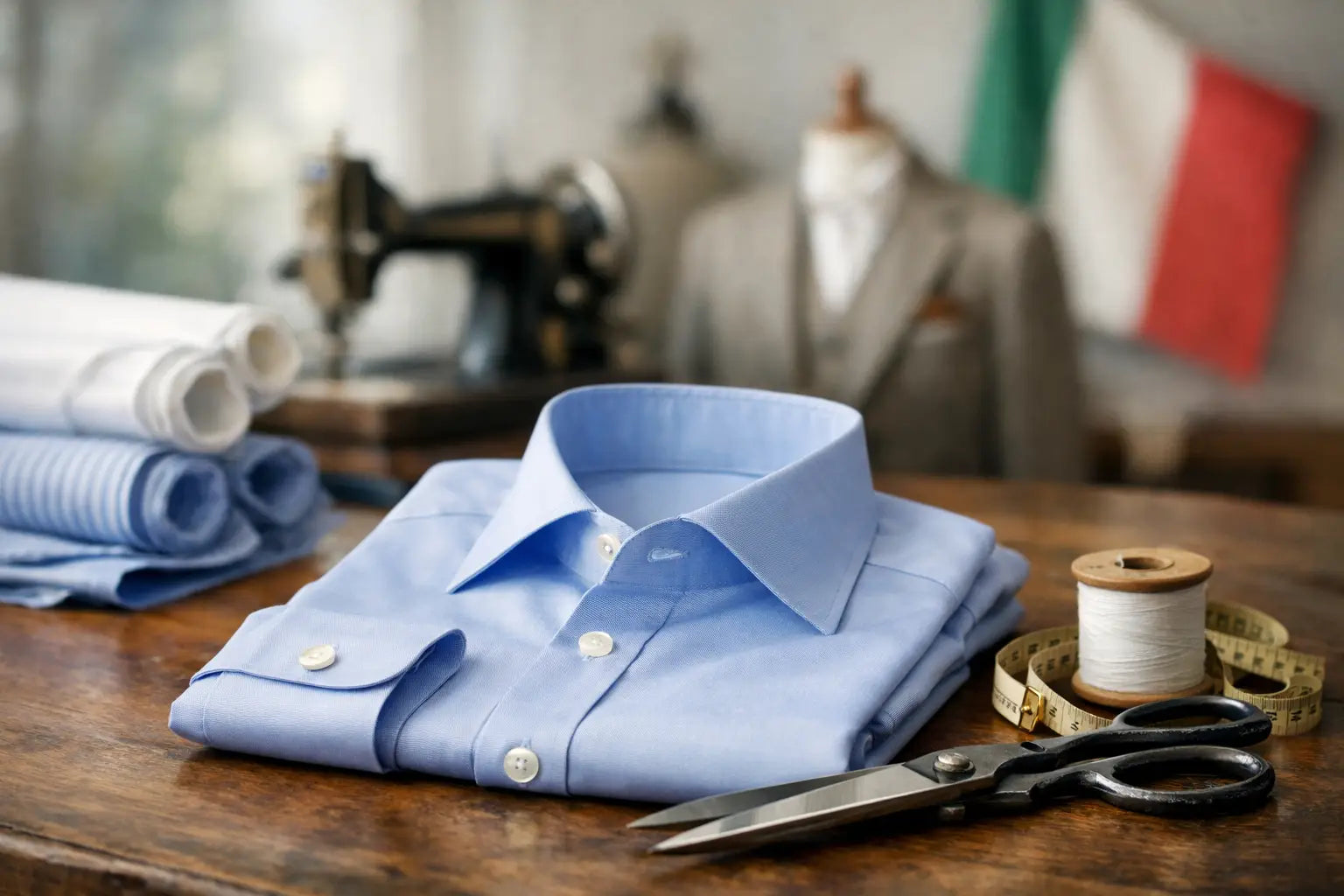
Made in Italy Shirts: What Defines Real Quality
A shirt can look sharp on a hanger and still fall short by noon. The collar may soften, the fabric may pull across the chest, or the fit may lose its clean line once you sit down. Made in Italy shirts earn their reputation by addressing the details that determine how a shirt looks and feels through a full day - from fabric selection and precise construction to a finish that holds its presence.
For the modern man, Italian-made does not need to mean overly formal or precious. The right shirt should bring polish to the office, confidence to dinner, and enough comfort for everything between. It is a wardrobe piece built to work harder, not one reserved for a special occasion.
What Made in Italy Shirts Really Represent
“Made in Italy” is often treated as a shortcut for luxury. In reality, it is most valuable when it reflects thoughtful production: experienced shirtmaking, carefully chosen textiles, refined finishing, and an eye for proportion. Italy has a long heritage in tailoring and fabric development, particularly in regions known for weaving, dyeing, and garment construction. That heritage shows up in the hand of the fabric and the small details that make a shirt feel considered.
A quality Italian-made shirt should feel purposeful before you even put it on. The fabric should have substance without stiffness. The seams should lie flat. The collar should hold a clean shape instead of collapsing or feeling restrictive. Pattern alignment, button placement, and cuff construction should support a polished overall look.
That said, country of origin is not the only measure of a great shirt. A label alone cannot make up for poor fit, impractical fabric, or construction that does not suit your routine. The best choice combines Italian craftsmanship with the performance features a modern wardrobe requires.
Fabric Is Where the Difference Starts
Fabric is the first thing you feel and one of the first things other people notice. Fine cotton remains the foundation of many elevated dress shirts because it is breathable, soft, and naturally versatile. Depending on the weave, it can look crisp enough for a client meeting or relaxed enough for a weekend lunch.
A poplin shirt offers a smooth, clean surface with a more formal appearance. It works well beneath a blazer and pairs naturally with tailored trousers. Twill has a subtle diagonal texture, more visual depth, and often a softer feel. It is a strong option for men who want a shirt that transitions easily from business settings to evening plans.
Texture matters just as much as fiber content. A pinpoint or dobby weave can add character without becoming loud, while a brushed cotton shirt brings warmth and a more relaxed finish for cooler months. The right fabric depends on where and how you plan to wear it. A man who spends his week in meetings may prioritize a crisp cotton weave, while someone moving between travel, work, and social events may get more value from a softer stretch construction.
Why Stretch Has Earned Its Place
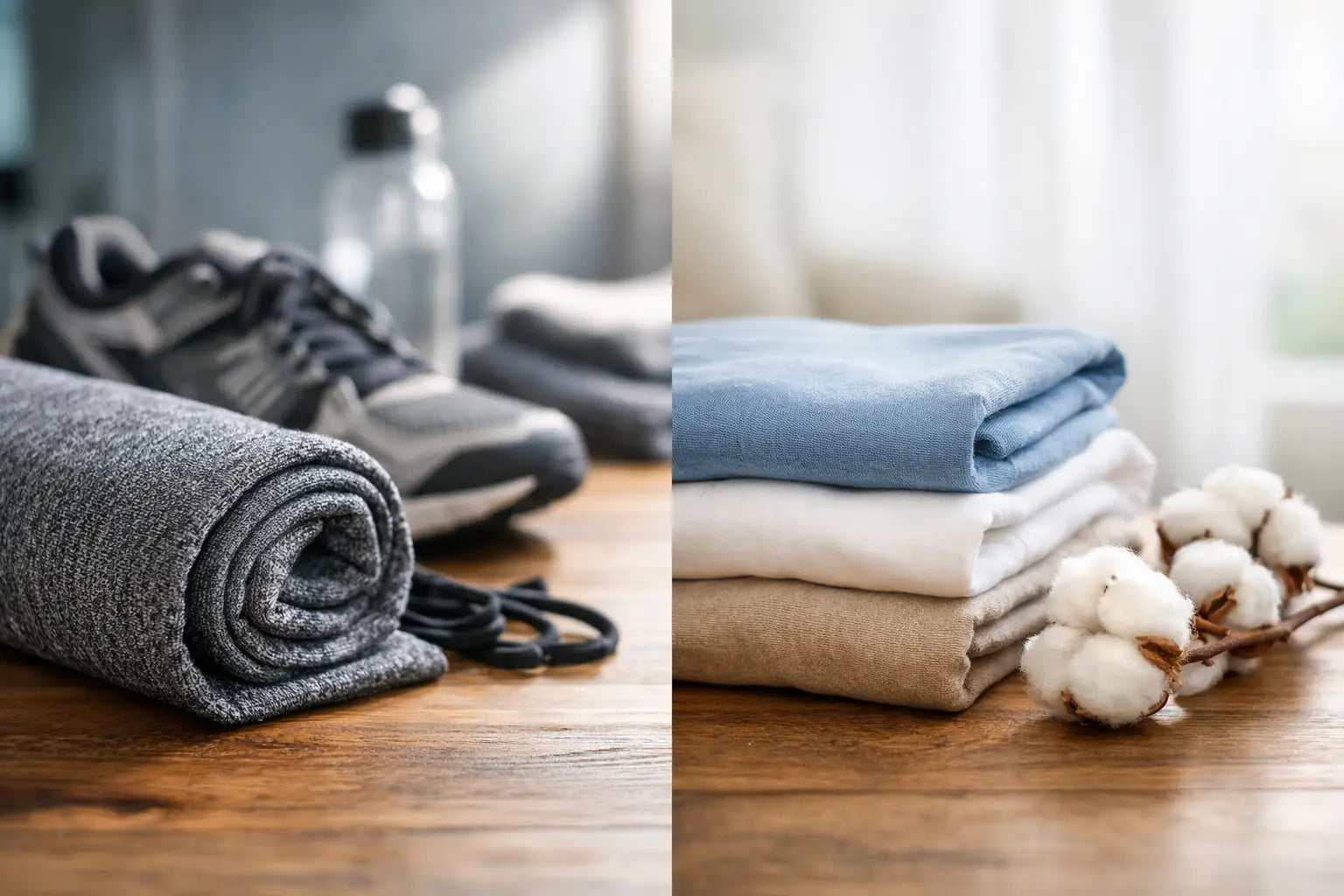
Traditional shirting often asks men to choose between a tailored appearance and unrestricted movement. That trade-off is no longer necessary. A measured amount of stretch allows the shirt to move through the shoulders, chest, and arms while keeping a streamlined profile.
Stretch is especially valuable in a contemporary fit. It helps a shirt follow the body rather than billow at the waist, yet it prevents the tight, restrictive feeling that can come with an aggressively slim cut. For long workdays, commuting, dinners, and travel, that comfort changes how often you reach for a shirt.
The key is balance. Too much stretch can make a shirt feel overly casual or cause it to lose its shape over time. The best stretch shirting retains the look of refined cotton while giving you practical flexibility where it counts.
Fit Turns Quality Into Presence
Even exceptional fabric cannot compensate for a shirt that does not fit correctly. A well-fitting shirt creates a clean shoulder line, enough room through the chest to move comfortably, and a controlled shape through the torso. It should look intentional when worn untucked with chinos and equally polished when tucked into dress pants.
Start with the shoulders. The shoulder seam should sit near the edge of your natural shoulder. If it drops too far down the arm, the shirt will appear oversized. If it sits too high, movement becomes limited and the chest can pull.
Next, consider the torso. A contemporary fit is often the most versatile choice for business-casual dressing because it avoids both extremes. It is more defined than a classic fit but not so narrow that it limits comfort. Men with broader shoulders or an athletic build may want a little more room through the upper body, while men with a leaner frame often benefit from a closer waist shape.
Sleeve length also affects the entire presentation. When buttoned, the cuff should rest at the wrist bone. Under a jacket, a small amount of cuff should remain visible. Details such as adjustable cuffs or dual-button settings add practical control, allowing you to fine-tune the fit instead of accepting a one-position finish.
Details That Separate an Ordinary Shirt From a Refined One
The strongest shirts are not defined by a single flashy element. They are elevated through a collection of subtle decisions. A structured collar frames the face and maintains its shape under a blazer. Quality buttons create a more finished appearance. Clean stitching keeps the garment looking composed after repeated wear.
Contrast trim is another detail that can add personality without taking over the outfit. Used inside the collar, cuff, or placket, it gives a shirt a more distinctive finish while remaining appropriate for professional settings. It is an easy way to bring visual interest to a navy, white, or patterned shirt without relying on bold colors or oversized prints.
Collar choice should match your wardrobe. A spread collar is an excellent all-around option because it works with or without a tie and complements a range of face shapes. A button-down collar leans more relaxed and pairs naturally with chinos, knitwear, and casual tailoring. The goal is not to collect every collar style. It is to choose the ones that support the way you actually dress.
How to Wear Italian-Made Shirts Beyond the Office
The best shirts should not be limited to one dress code. A crisp white or light blue shirt remains a foundation piece because it can be styled with charcoal trousers and a blazer for business, then worn with dark denim for a cleaner off-duty look. The difference is in the finish: tuck it in and add a belt for a more formal setting, or leave it untucked with a refined pair of chinos when the occasion is more relaxed.
For an easy business-casual uniform, pair a textured blue shirt with performance pants in navy, gray, or stone. The shirt brings the tailored element, while the pants provide all-day mobility. This combination works particularly well for professionals whose days move from desk work to client meetings and evening reservations.
Patterned shirts deserve a place in the rotation as well. A subtle check, microprint, or tonal texture can break up a wardrobe built around solid colors. Keep the rest of the outfit restrained. If the shirt has visual interest, choose solid chinos or trousers and let the fabric do the work.
For social events, consider a darker shirt in navy, black, or a rich seasonal tone. Worn with clean trousers and leather shoes, it offers a confident alternative to the expected white dress shirt. Just keep the fit precise. Dark colors can look especially sharp, but they also make excess fabric more noticeable.
Building a Shirt Rotation That Works Harder
A practical collection does not need to be excessive. It needs to cover the situations you face most often. Start with a white shirt and a light blue shirt for dependable professional wear. Add one textured neutral, such as gray or soft blue, to bring variety without sacrificing versatility. Then choose a subtle pattern and a darker option for social settings or more expressive business-casual looks.
From there, think about fabric weight and season. Lightweight cotton is useful for warm offices, travel, and spring through early fall. A slightly richer twill or textured weave offers more depth in cooler weather. If your schedule involves frequent movement, prioritize shirts with stretch and easy-care performance over fabric that looks impressive but feels limiting.
Care also protects the value of a better shirt. Rotate your shirts rather than wearing the same two repeatedly. Unbutton cuffs and collars before washing, follow the garment label, and avoid excessive high heat. Hang shirts promptly after drying or ironing to preserve the collar and maintain a clean shape.
LEVINAS approaches shirting with this real-world standard in mind: elevated fabric, a contemporary fit, and stretch-driven comfort designed for the way men dress now. The right shirt should make getting dressed simpler, whether the day calls for a blazer, chinos, or something more relaxed.
A well-chosen Italian-made shirt is not about chasing a label. It is about choosing fabric that feels better, fit that looks sharper, and details that stay relevant long after the first wear. Build around the shirts that make you feel prepared the moment you button them.


Leave a comment
This site is protected by hCaptcha and the hCaptcha Privacy Policy and Terms of Service apply.