
Are Knit Shirts Breathable? What Men Should Know
A shirt can look polished at 8 a.m. and feel restrictive by noon. That is why men often ask, are knit shirts breathable? The short answer is yes, they can be. The better answer is that breathability depends on the fiber, knit construction, fabric weight, and how the shirt fits your body.
For business-casual dressing, a well-made knit shirt offers an especially practical balance: the refined appearance of a button-up with a softer hand, natural stretch, and easier movement through a full day. But not every knit is built for warm offices, long commutes, or active weekends. Knowing what to look for helps you choose a shirt that stays sharp without holding onto excess heat.
Are Knit Shirts Breathable in Warm Weather?
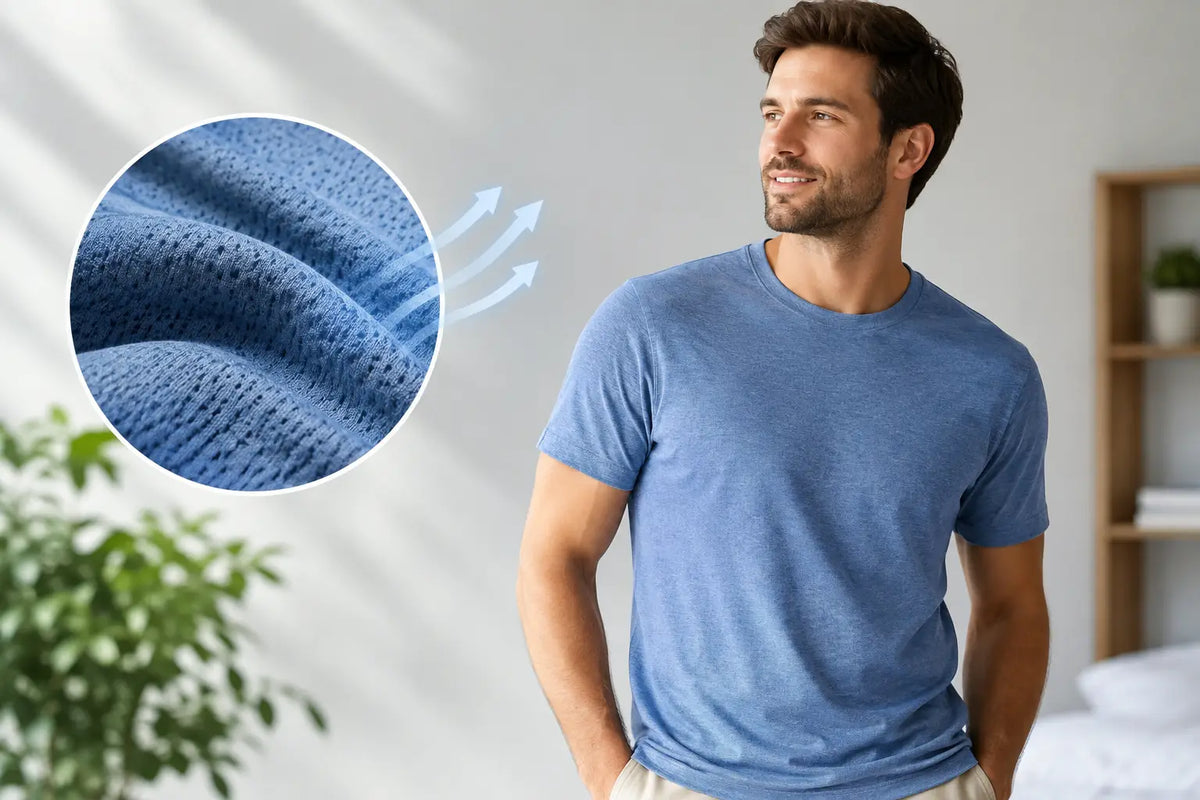
Knit shirts can be highly breathable because their construction is made from interlocking loops rather than the tightly crossed yarns used in most woven fabrics. Those loops often create small channels for air to move through the fabric. This gives many knit shirts a softer, more flexible feel and can make them comfortable when temperatures rise.
Still, knit construction alone does not guarantee a cool shirt. A heavy, dense knit made with synthetic fibers may feel warmer than a lightweight cotton woven shirt. On the other hand, a fine-gauge cotton knit or a breathable cotton-stretch blend can provide excellent airflow while maintaining a clean, tailored profile.
For the man moving between a climate-controlled office, the car, client meetings, and evening plans, this distinction matters. You want enough structure to look intentional, but not so much density that the shirt feels heavy once the day gets moving.
What Makes a Knit Shirt Feel Cooler?
The fiber comes first
Cotton is one of the strongest choices for breathable knit shirts. It feels soft against the skin, absorbs moisture, and allows heat to escape more easily than many fully synthetic alternatives. A quality cotton knit shirt is often a reliable option for daily business-casual wear because it delivers comfort without looking overly casual.
Stretch fibers such as elastane are commonly added in small amounts to improve recovery and mobility. This is useful in a tailored-fit shirt, particularly through the shoulders, chest, and arms. The key is proportion. A modest amount of stretch supports shape and comfort; a fabric with a high synthetic content may feel less airy, especially in humid conditions.
Performance blends can also work well when they are engineered for moisture management. These fabrics are designed to pull perspiration away from the skin and dry faster than standard cotton. They may not feel as naturally breathable as a lightweight cotton knit, but they can be a smart choice for men with active commutes or long days away from home.
The knit structure affects airflow
Not all knits have the same surface or ventilation. Jersey knits are smooth, soft, and familiar, with the comfortable feel of an elevated T-shirt. In a button-up silhouette, jersey can create a clean, modern shirt that moves easily under a jacket.
Piqué knits have a subtle textured pattern that creates a bit more space within the fabric. This structure is common in polos and can feel especially comfortable in warm conditions because it keeps more of the fabric from sitting flat against the skin.
Fine-gauge knits use thinner yarns and a tighter, more refined construction. They tend to look dressier and layer neatly beneath a blazer, but their breathability depends heavily on the fiber and overall weight. A fine cotton knit can be an excellent office option, while a thick fine-gauge synthetic knit may feel more insulating.
Fabric weight changes everything
A lightweight knit is usually the best choice for spring, summer, warm offices, and travel. It allows more airflow and is easier to layer without bulk. Midweight knits offer greater structure and often hold their shape better, making them a versatile year-round option.
Heavier knits are valuable in cooler weather, but they are not the first choice if staying cool is the priority. They can feel substantial and premium, particularly in a structured overshirt or long-sleeve button-up, yet they naturally retain more warmth.
The most useful approach is to match the weight to the conditions. A lightweight cotton-stretch knit handles heat and movement well. A midweight version is a dependable choice for an office where the temperature changes from room to room. Reserve the denser constructions for fall, winter, or heavily air-conditioned settings.
Breathability Also Depends on Fit
A shirt does not need to be loose to breathe well, but it should not pull across the body. When a knit shirt is too tight through the chest, back, or upper arms, the fabric stays pressed against the skin. That limits airflow and makes moisture more noticeable.
A contemporary or tailored fit should follow the body without restricting it. Look for clean shoulders, enough room to move your arms naturally, and a torso that is shaped rather than compressed. Knit stretch helps here, but stretch should improve mobility, not compensate for the wrong size.
Sleeve length and collar construction matter as well. A breathable knit shirt with a flexible collar and comfortable cuffs feels less restrictive during long meetings or travel days. Details such as contrast trim and structured cuffs can preserve a polished appearance without making the shirt feel formal or stiff.
Knit Shirts Versus Woven Shirts
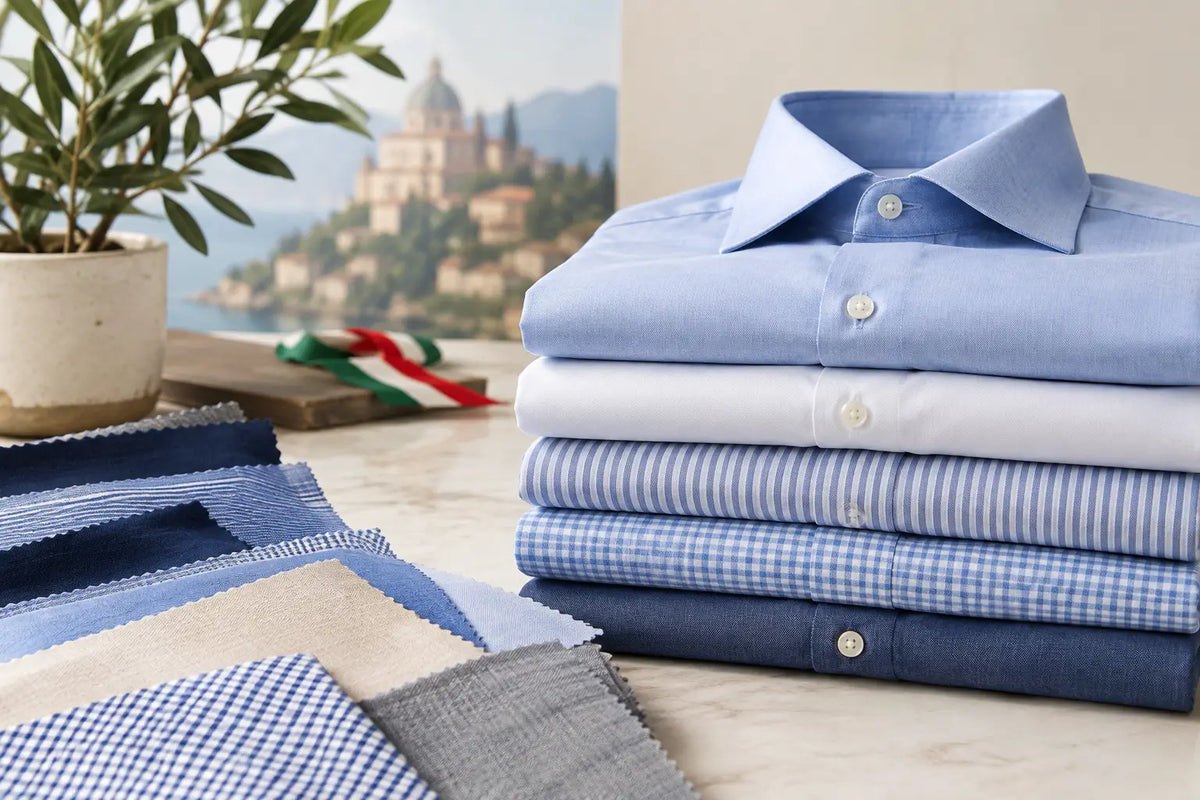
Woven dress shirts remain a foundation of a professional wardrobe. They offer crisp structure, a traditional collar presentation, and a more formal finish for presentations, ceremonies, and dressier work environments. Lightweight cotton poplin or broadcloth can also be very breathable.
Knit shirts earn their place because they make business-casual dressing easier. They typically have more natural give, less stiffness, and a softer feel from the first wear. For men who spend their day driving, working at a desk, walking between meetings, or heading directly to dinner, that comfort can be the difference between a shirt you tolerate and one you reach for repeatedly.
The trade-off is structure. A woven shirt usually looks crisper, while a knit shirt looks more relaxed and modern. If the setting calls for a tie or a sharply formal suit, a woven dress shirt is generally the stronger choice. If the goal is polished comfort with chinos, performance pants, or an unstructured blazer, a knit button-up is often the better move.
How to Wear a Breathable Knit Shirt Well
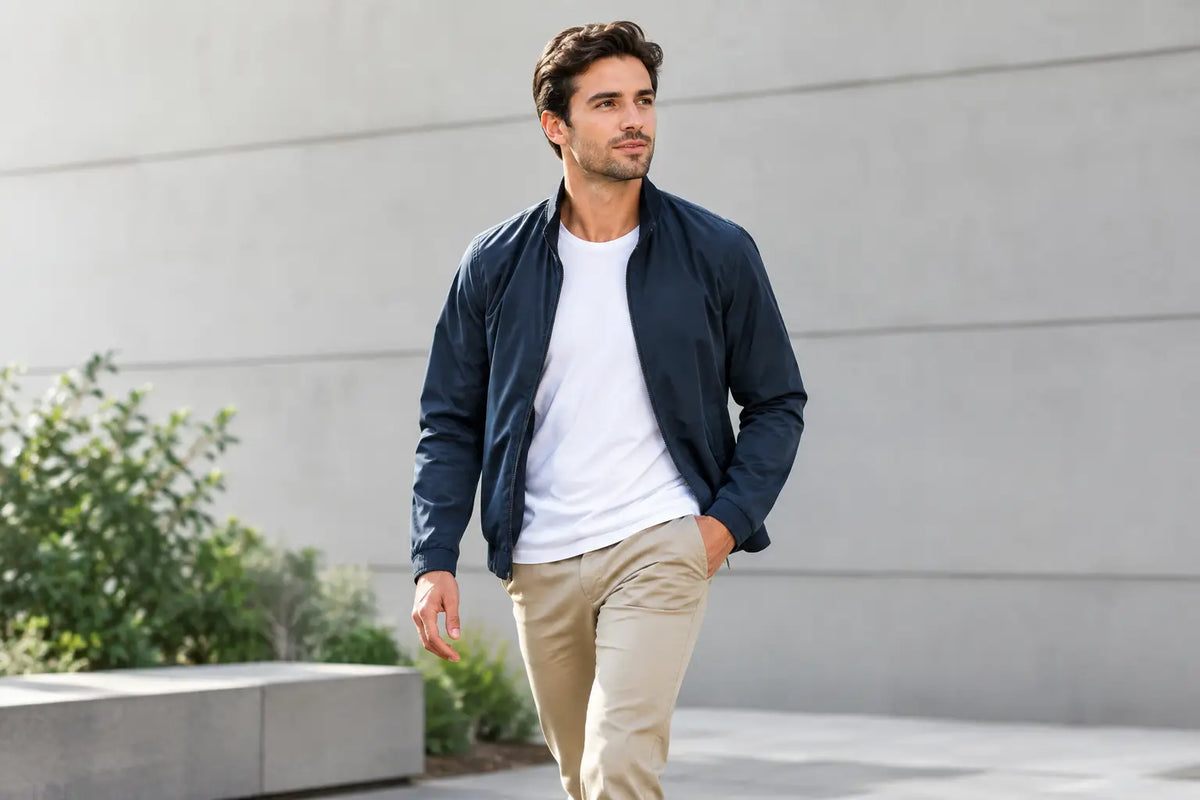
Breathability works best when the rest of the outfit supports it. Pair a lightweight knit shirt with breathable chinos or performance pants instead of heavy denim when the weather is warm. Choose a lighter jacket with room through the shoulders rather than piling on thick layers that trap heat.
Color also plays a practical role outdoors. White, light blue, soft gray, and pale neutrals reflect more sunlight than black, navy, or deep charcoal. Darker colors remain versatile and polished, but a lighter shirt can be the more comfortable choice for daytime events, patio meetings, and summer travel.
For a refined everyday uniform, start with a tailored cotton knit-stretch button-up, clean chinos, and leather sneakers or loafers. The result is composed enough for the office and comfortable enough for everything that happens after it. A well-cut knit shirt from LEVINAS is designed for exactly that kind of range: elevated detail, easy movement, and a fit that stays composed throughout the day.
Care Keeps Knit Shirts Performing
Even breathable fabric can lose some of its comfort if it is not cared for properly. Excessive heat in the dryer can stress stretch fibers, tighten the knit, and reduce the fabric's ability to recover. Washing in cool water and drying on low or air drying helps preserve softness, shape, and flexibility.
Avoid overusing fabric softener, particularly with performance blends. It can coat fibers over time and reduce moisture-management performance. Turn the shirt inside out before washing to protect its exterior finish, collar, and contrast details.
A breathable knit shirt should make getting dressed simpler, not give you another comfort problem to solve. Choose cotton or a thoughtfully balanced stretch blend, favor a weight that suits your climate, and insist on a fit that gives you room to move. When those elements are right, a knit button-up delivers the polished ease that modern business-casual wardrobes need.

Leave a comment
This site is protected by hCaptcha and the hCaptcha Privacy Policy and Terms of Service apply.