
Article: Build a Desk to Dinner Outfit That Works
Build a Desk to Dinner Outfit That Works
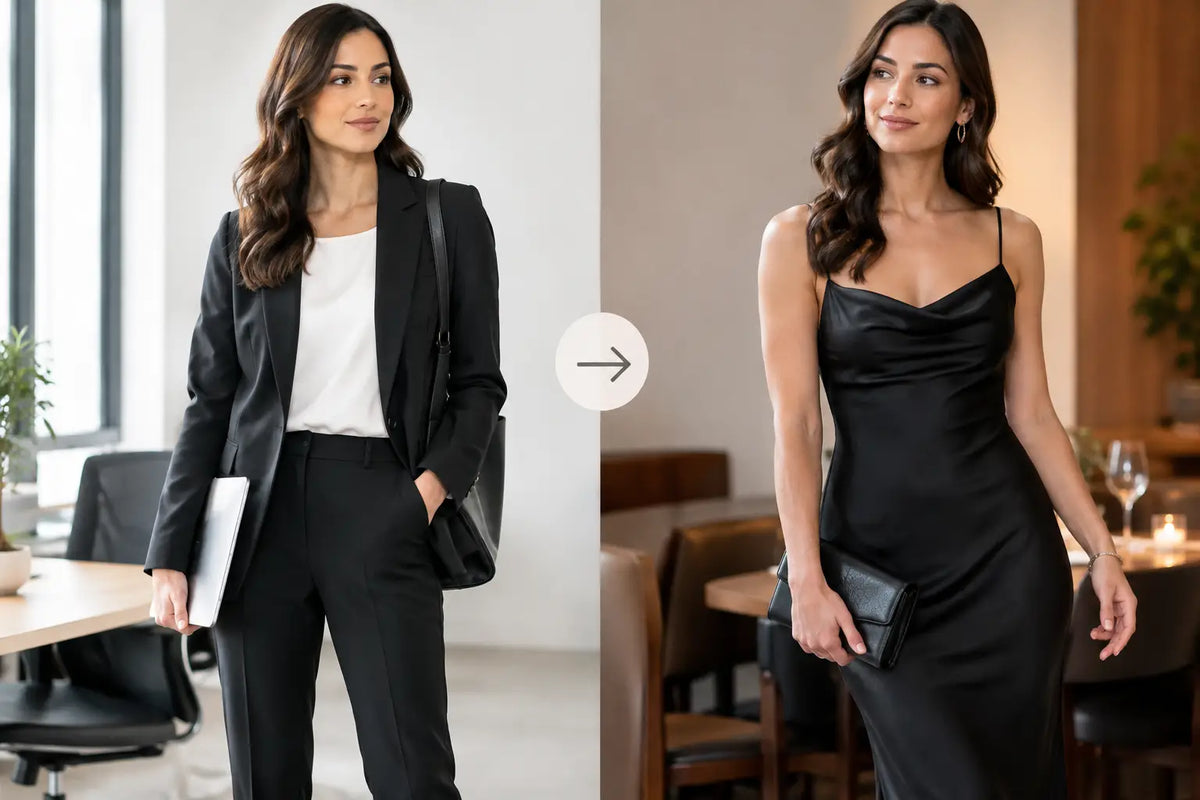
A late client meeting, a reservation across town, or drinks with colleagues can make a wardrobe change feel necessary. It should not be. The right desk to dinner outfit starts with business-casual pieces that hold their shape through a full workday and look intentional once the laptop is closed.
For most men, the answer is not a louder shirt or a more formal jacket. It is a better foundation: a refined button-up with stretch, tailored pants with a clean line, and footwear that works in more than one setting. When fit, fabric, and color are handled correctly, your work clothes are already ready for the evening.
What Makes a Desk to Dinner Outfit Work
A versatile outfit has to meet two different expectations. At the office, it needs to look professional, polished, and appropriate for the people in the room. At dinner, it should feel relaxed enough to avoid the appearance that you came straight from a boardroom without a second thought.
The difference comes down to proportion and texture. A shirt that fits cleanly through the chest and shoulders looks sharp tucked in for work, then just as natural with an open collar later on. Pants with a tailored silhouette provide structure without the stiffness of traditional dress trousers. Stretch fabric matters here because comfort affects how you carry yourself after eight or ten hours on the move.
Avoid building the outfit around one overly formal item. A rigid dress shirt, a high-shine belt, and sharply creased wool trousers can look excellent in a formal office, but they may feel too serious at a casual restaurant. On the other hand, soft knitwear, distressed denim, and athletic sneakers can make the transition in the opposite direction, leaving the outfit underdressed for business.
The goal is refined versatility: clothes with enough polish for work and enough ease for everything afterward.
Start With a Shirt That Holds Its Shape
The shirt is the foundation of every man's wardrobe, especially when one outfit needs to cover multiple parts of the day. Choose a contemporary-fit button-up that follows your frame without pulling at the buttons or billowing at the waist. A clean fit keeps the shirt looking tailored under a blazer, but it also gives you the option to remove that layer after work without losing structure.
For color, white and light blue remain the most dependable choices. They work with nearly every trouser color and always look appropriate in professional settings. For more personality, consider a subtle check, a refined geometric print, or contrast trim details that show their character only up close. These touches make a shirt feel more distinctive at dinner without turning it into a statement piece at the office.
Fabric deserves just as much attention. Cotton with stretch provides the crisp appearance of a dress shirt while allowing more natural movement through the shoulders and arms. A cotton knit-stretch shirt is another strong option for offices with a relaxed dress code. It brings a softer hand and elevated comfort while retaining a sharp collar and a tailored profile.
Keep the collar open by one button for most dinner plans. It is a small adjustment, but it changes the mood of the entire look. Skip the undershirt if its neckline will show, and make sure the collar has enough structure to sit cleanly when worn open.
The right fit is non-negotiable
A desk to dinner shirt should look composed at 9 a.m. and at 9 p.m. If the neck is too tight, the sleeves are too long, or the body is overly loose, no amount of styling will make it feel polished. Look for a fit that allows movement without excess fabric. The shoulder seam should sit at your natural shoulder, while the sleeves should end at the wrist bone.
If you prefer a more athletic silhouette, tailored-fit styles create a cleaner shape through the torso. If your build calls for more room, a contemporary fit offers a refined balance without looking restrictive. The best choice depends on your proportions, not the size printed on the tag.
Choose Pants That Feel Better Than Dress Trousers
Your pants do most of the practical work in a desk to dinner outfit. They need to stay comfortable through meetings, commuting, sitting, and dinner, while still presenting a sharp line. Super-stretch chinos and performance pants are built for exactly this role.
Navy, charcoal, black, and stone are the strongest starting colors. Navy chinos pair naturally with white, blue, and patterned shirts, making them one of the most useful options in a working wardrobe. Charcoal performance pants offer a slightly more elevated appearance and work particularly well with black or deep burgundy footwear. Stone or olive chinos can look excellent for spring and summer dinners, though they are best reserved for offices with a more relaxed culture.
Fit should be tailored but never skin-tight. A narrow taper from the thigh to the ankle produces a modern silhouette, especially when paired with loafers, clean leather sneakers, or Chelsea boots. But if the seat and thigh are too tight, the pants will wrinkle heavily and feel uncomfortable by the end of the day. Stretch construction gives you flexibility, not permission to size down.
For a more formal workplace, select performance pants with a smooth finish and minimal pocket detailing. For a creative office or a casual client day, chinos offer a slightly more relaxed texture while remaining professional. Both can carry you into the evening with the right shirt and shoes.
Add a Layer Only When It Earns Its Place
A jacket can elevate an outfit quickly, but it is not mandatory. If your office runs formal or the dinner reservation calls for a more polished appearance, wear an unstructured blazer in navy, charcoal, or a subtle textured neutral. The softer construction keeps it from feeling overly corporate and gives you the flexibility to remove it when the setting becomes more relaxed.
For a less formal environment, a lightweight overshirt or refined knit layer can work well, particularly in cooler weather. Keep it fitted and clean. A bulky hoodie or oversized cardigan may be comfortable, but it usually interrupts the sharp proportions that make business-casual dressing effective.
The simplest test is whether the layer improves the outfit when you walk into the restaurant. If it adds shape, texture, or a more intentional finish, keep it. If it only feels like something you wore because the office air conditioning was cold, leave it behind.
Finish With Shoes That Match the Plan
Footwear can make a strong outfit look either considered or confused. Brown leather loafers, sleek lace-up shoes, and Chelsea boots are dependable choices for dinners that lean polished. They pair easily with chinos and performance pants while offering more personality than a traditional office oxford.
Minimal leather sneakers can also work, but only under the right conditions. They should be clean, low-profile, and free of heavy logos, athletic mesh, or thick running soles. Pair them with tailored chinos and a crisp shirt, not loose pants or overly casual layers. This is best for contemporary workplaces, casual date nights, or restaurant settings where formal shoes would feel forced.
Match your belt to your shoes as closely as possible, especially with brown or black leather. It is a straightforward detail that gives the entire outfit a finished look. Keep accessories restrained: a quality watch, a simple belt, and perhaps a subtle bracelet are enough.
Three Reliable Outfit Formulas
For a client-facing office followed by dinner, wear a light blue stretch button-up, charcoal performance pants, a navy blazer, and dark brown loafers. At the restaurant, remove the blazer and open the collar for a look that remains sharp without feeling stiff.
For a business-casual workplace and a date night, choose a white or subtle patterned tailored-fit shirt with navy super-stretch chinos and brown Chelsea boots. The contrast between the crisp shirt and rich footwear feels elevated, while the pants keep the outfit comfortable from morning through evening.
For a relaxed office and casual dinner, pair a refined cotton knit-stretch shirt in a deep neutral with stone chinos and clean leather sneakers. This formula is less formal, but it still looks deliberate because the fabrics, fit, and colors stay polished.
Plan for the Details That Change After Work
The best desk to dinner dressing is practical, not precious. Keep a lint roller in your desk or car if you wear darker colors. A spare pair of socks can be useful after a long commute, especially before an evening event. If your shirt tends to crease, choose performance-driven fabrics or a knit construction that recovers more easily throughout the day.
It also helps to think about the venue before you leave home. An upscale steakhouse, a gallery opening, and a casual rooftop bar all ask for slightly different finishes. You do not need a separate wardrobe for each, but you may choose a blazer over an overshirt, boots over sneakers, or a solid shirt over a bolder pattern depending on the setting.
A strong wardrobe reduces these decisions. When your shirts fit properly, your pants move with you, and your footwear has a refined profile, getting dressed for a full day becomes far simpler. LEVINAS pieces are designed around that kind of utility: polished business-casual style with the stretch and comfort to stay on well after work.
Build around the clothes you reach for most, then make sure they can carry you one stop farther. The right outfit does not announce that you planned for dinner. It simply looks like you belong there.

Leave a comment
This site is protected by hCaptcha and the hCaptcha Privacy Policy and Terms of Service apply.