
Dress Shirt Details Explained for a Sharper Fit
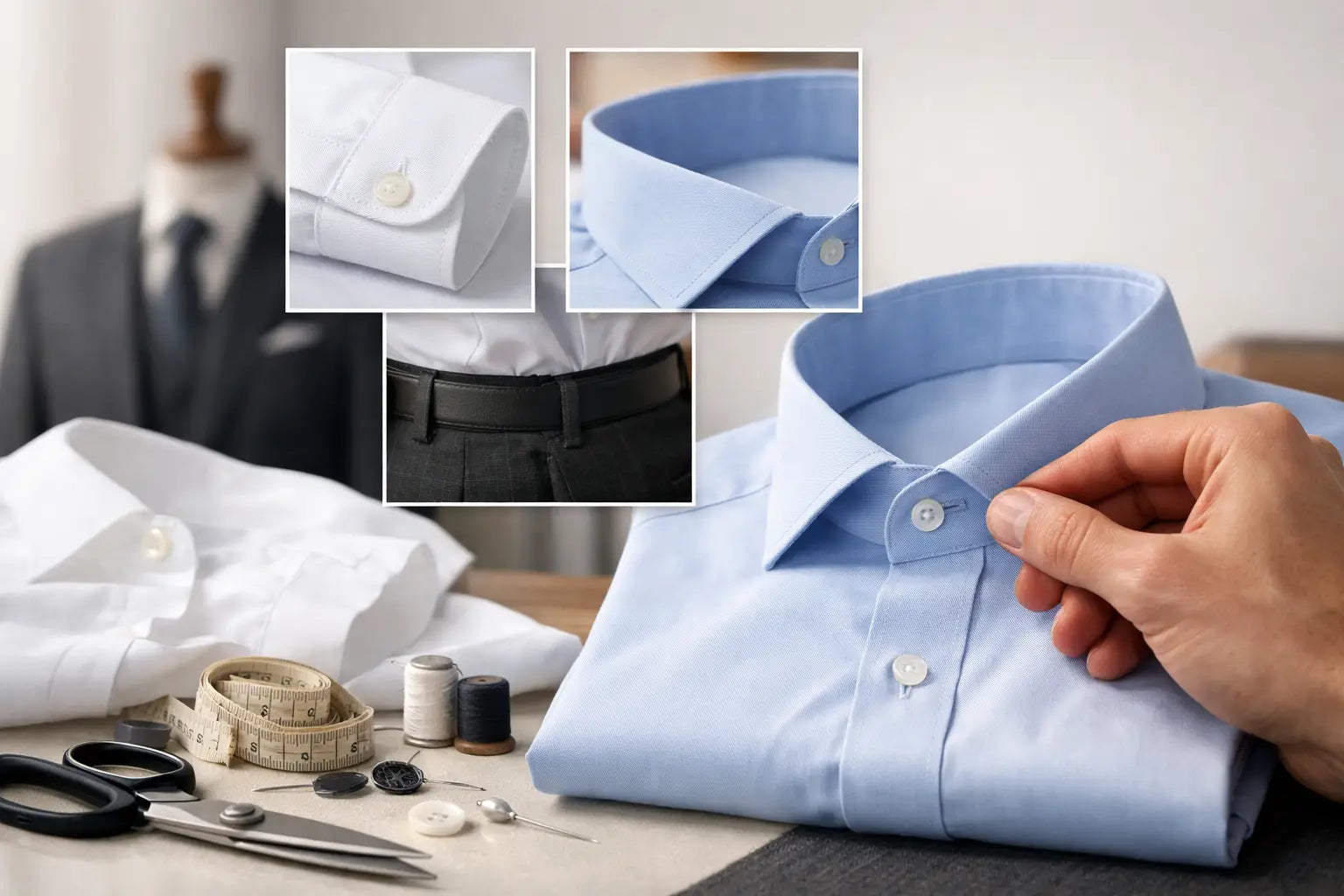
A dress shirt can look right on the hanger and still miss the mark once you put it on. The collar may sit too wide, the sleeves may break poorly at the wrist, or a stiff fabric may leave you ready to change before the workday is over. Dress shirt details explained properly means looking beyond color and pattern to understand the features that shape comfort, fit, and the impression your shirt makes.
For a modern business-casual wardrobe, the best shirt details work together. They create a clean profile under a jacket, stay comfortable through long meetings, and look equally considered when worn untucked with tailored pants or chinos.
Dress Shirt Details Explained: Start With the Collar
The collar frames your face, so it has more influence than most men realize. It should sit close to the neck without pinching, with enough room to button comfortably. If the collar is too loose, it can make an otherwise sharp shirt look unfinished. Too tight, and the shirt will feel restrictive before the day gets moving.
A spread collar is one of the most versatile options for business-casual dressing. Its wider points create a confident, balanced look that works with or without a tie. It is especially strong for men with narrower or longer faces because it adds visual width. A moderate spread is the practical middle ground: refined enough for client meetings, relaxed enough for dinner afterward.
A point collar has a narrower stance and a more traditional profile. It works well when you prefer a conservative look or wear a slim tie regularly. Button-down collars feel more casual and are useful for days when you want the structure of a dress shirt without the formality of a suit-and-tie uniform. The trade-off is simple: the more relaxed the collar, the less formal the overall shirt reads.
Cuffs Set the Finish
Cuffs are a small detail with a major impact on how complete a shirt looks at the wrist. A standard barrel cuff fastens with one or two buttons and is the most useful choice for everyday wear. It is clean, functional, and easy to pair with a watch.
Dual cuffs add a welcome degree of adjustment. If you prefer a closer fit around the wrist, use the tighter button. If your watch needs a little extra room, use the looser setting. This is the kind of practical design detail that makes a shirt more wearable instead of merely more decorative.
French cuffs are reserved for more formal settings and require cuff links. They can be appropriate for a black-tie event or a highly formal wedding, but they are not the most flexible choice for a wardrobe built around business-casual versatility. For most work and social settings, a well-proportioned barrel cuff delivers the sharper return.
Fabric Determines How the Shirt Performs
Fabric is where appearance and comfort meet. A shirt may have a strong cut and polished finish, but if it wrinkles aggressively or lacks movement, you will feel the difference quickly. Cotton remains a foundation because it is breathable, familiar, and naturally refined. The weave, weight, and added stretch determine how it performs in real life.
Poplin is smooth, lightweight, and crisp. It is an excellent choice for warmer offices, travel, and occasions that call for a clean, traditional dress-shirt appearance. Its lighter construction can show wrinkles more readily than a textured fabric, so it rewards proper hanging and care.
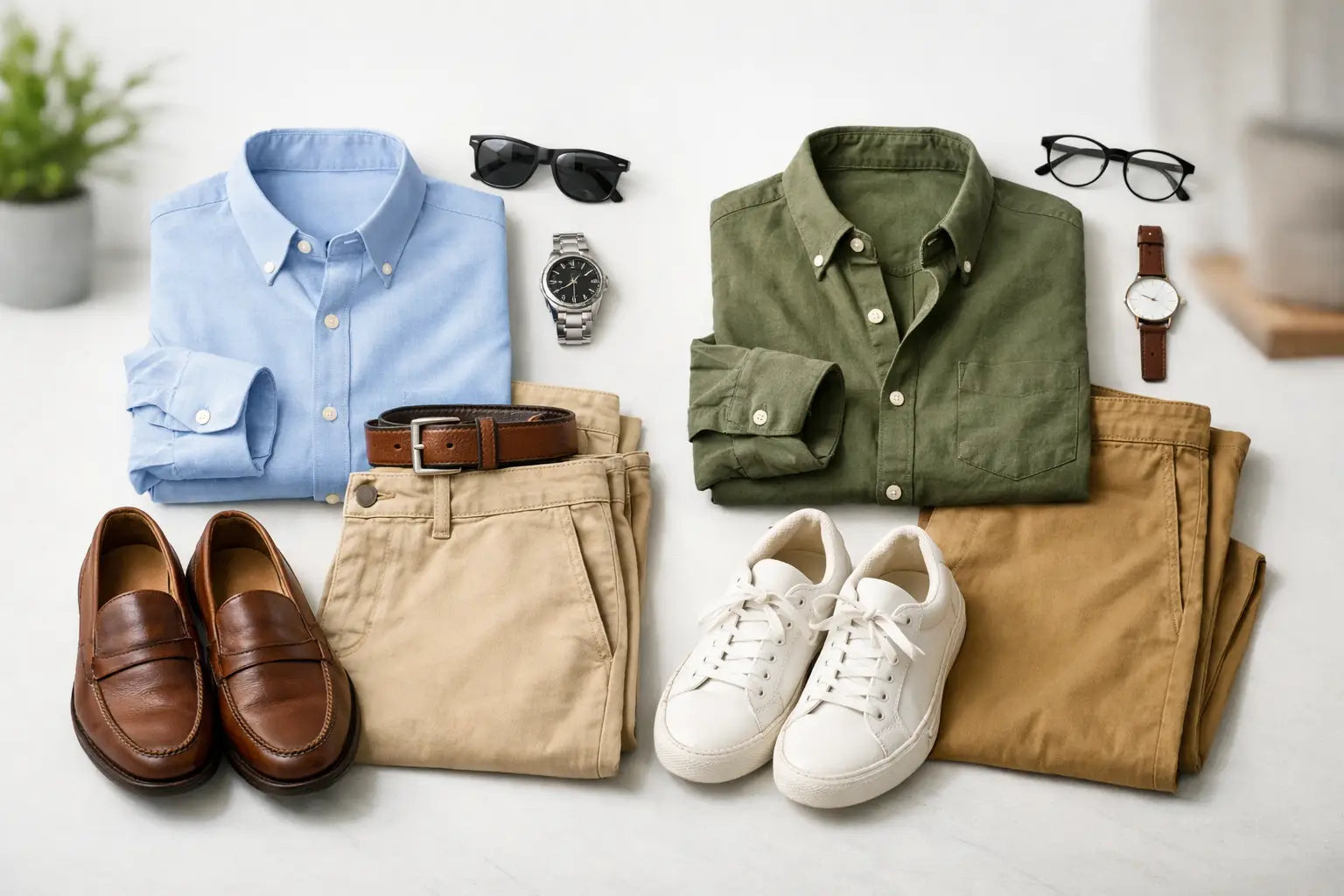
Twill has a subtle diagonal weave that gives it more texture, softness, and visual depth. It often feels more substantial than poplin and can be a better choice in cooler weather or when you want a shirt that looks polished without appearing overly formal. Oxford cloth is more textured still, with a relaxed character that pairs naturally with chinos, knitwear, and casual tailoring.
Stretch fabric changes the experience of wearing a dress shirt. A small amount of stretch can improve mobility through the shoulders, back, and arms, helping the shirt move with you rather than pull against you. That does not mean every stretch shirt should fit aggressively close. The right shirt still needs enough ease to sit cleanly across the chest and back.
At LEVINAS, stretch construction and premium-looking fabrics are designed to support the way a business-casual wardrobe is actually worn: from the commute to the office, then through plans after work.
Fit Is More Than a Size on the Label
The most expensive fabric cannot correct the wrong fit. Start with the shoulders. The shoulder seam should end at the edge of your natural shoulder, not droop down the arm or pull inward toward the neck. This is the hardest area to alter well, so it should be right from the beginning.
Across the chest, the shirt should button smoothly without pulling or creating gaps. A slight amount of room is necessary for comfortable movement, particularly if you sit at a desk, drive often, or wear the shirt under a jacket. If the buttons strain when you reach forward, the shirt is too tight, even if the waist looks trim.
A contemporary fit offers shape without the restriction of an ultra-slim shirt. It follows the body with a cleaner waist while leaving enough room through the shoulders and chest to move naturally. This is a strong option for men who want a tailored appearance but do not want their shirt to feel like compression wear.
Sleeve length matters just as much. With your arms relaxed, the cuff should land around the base of your thumb. Under a jacket, roughly a quarter to a half inch of shirt cuff should show. A sleeve that is too short makes the whole shirt appear undersized; one that is too long creates excess fabric at the wrist and weakens the line of the arm.
Plackets, Buttons, and Stitching Add Character
The placket is the strip of fabric where the buttons and buttonholes meet. A standard front placket has a visible folded strip, giving the shirt a classic and slightly more structured look. A French placket has no separate strip and creates a cleaner, more minimal front. Neither is automatically better. A standard placket reads more traditional, while a French placket is a refined option for men who prefer less visual interruption.
Buttons deserve a close look because they are handled more than any other part of the shirt. Well-finished buttons should feel secure, sit flat, and align cleanly down the front. Contrast thread or subtle contrast detailing inside the collar and cuffs can add personality without making the shirt feel loud. It is a useful way to bring distinction to a solid shirt when the jacket comes off.
Look for neat stitching at the collar, cuffs, side seams, and buttonholes. You do not need to inspect a shirt like a tailor, but clean construction is visible. Uneven stitching, loose threads, or puckering around seams can make a shirt look less polished, particularly in close professional settings.
Pattern and Color Should Serve Your Schedule
A white dress shirt is a reliable foundation, but it should not be the only option in your rotation. Light blue offers much of the same versatility with a softer, more approachable look. It works with navy, gray, olive, tan, and black trousers, making it one of the highest-value colors a man can own.
Subtle stripes and small-scale checks bring dimension while remaining office-ready. The key is scale. Fine patterns are easier to pair with jackets, ties, and textured pants because they do not compete with the rest of the outfit. Larger checks and bolder contrast details are better for casual Friday, dinners, and settings where your shirt is meant to carry more of the look.
If you wear a tie, keep the relationship between shirt and tie clear. A patterned shirt generally calls for a solid or lightly textured tie. With a solid shirt, you have more room to introduce pattern at the neck. When wearing the shirt open-collar, a spread collar and a fabric with a little texture can add enough presence on their own.
Choose Details Based on How You Dress
The right dress shirt is not defined by a single feature. A crisp poplin spread-collar shirt may be your best choice for presentations and formal office days. A stretch twill with contrast trim may be the better choice for travel, client lunches, or an evening out. A button-down Oxford can cover the days when you want to look composed without looking overdressed.
Build your selection around the places you actually go, the layers you wear, and the fit that gives you confidence. When the collar sits clean, the fabric moves easily, and the cuffs and proportions are right, a dress shirt stops feeling like an obligation. It becomes the dependable piece that makes getting dressed simpler.

Leave a comment
This site is protected by hCaptcha and the hCaptcha Privacy Policy and Terms of Service apply.