
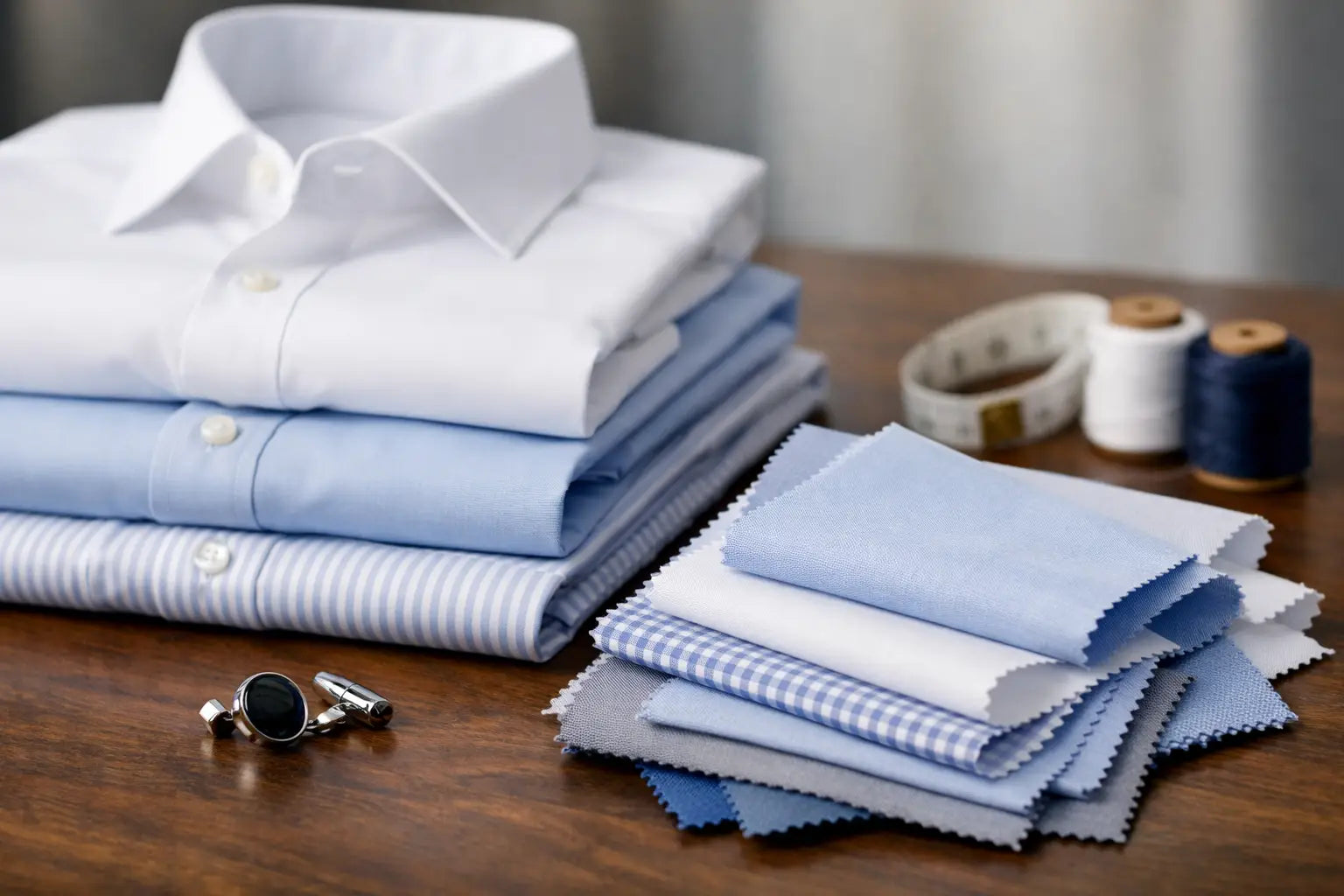
Dress Shirt Fabric Guide for Men
A dress shirt can look sharp on the hanger and still disappoint by noon. The reason is usually fabric. A proper dress shirt fabric guide men can rely on starts with how the shirt needs to perform - at the office, during travel, under a blazer, or through a long day that moves from meetings to dinner.
Fabric determines more than texture. It affects drape, breathability, wrinkle resistance, stretch, and how polished a shirt looks after hours of wear. If you want a shirt that works as hard as you do, understanding the fabric is what separates a decent purchase from a reliable wardrobe staple.
Why fabric matters more than most men think
Fit gets attention first, but fabric is what makes a shirt wearable. A trim silhouette in a stiff, unforgiving cloth can feel restrictive. A softer fabric with controlled stretch can make a tailored shirt feel easier and more natural all day.
The right fabric also changes where the shirt fits into your wardrobe. Some materials are better for formal business settings, while others are ideal for business-casual offices, weekend events, and everyday wear. If your closet needs versatility, fabric choice should be deliberate, not secondary.
Dress shirt fabric guide men should know before buying
Most dress shirt fabrics fall into a few core categories. The names can sound technical, but the difference becomes clear once you focus on feel, finish, and use.
Cotton
Cotton remains the foundation of every man's wardrobe for a reason. It is breathable, soft, and naturally comfortable against the skin. A well-made cotton shirt can look clean and refined while still feeling easy to wear for a full day.
Not all cotton shirts perform the same, though. Higher-quality cotton tends to feel smoother, resist pilling better, and hold its appearance longer. If you want a polished shirt with classic appeal, cotton is still the benchmark.
The trade-off is maintenance. Pure cotton can wrinkle more easily than blends or performance fabrics, especially in lighter weaves. For men who want a crisp look without much upkeep, cotton alone may not always be the most practical choice.
Cotton stretch blends
For modern business-casual dressing, cotton stretch blends are one of the smartest options available. By adding a small amount of elastane or similar fiber, the fabric gains flexibility without losing the refined appearance men expect from a dress shirt.
This matters if your day includes commuting, sitting for long stretches, or moving between professional and social settings. A stretch fabric gives through the shoulders, chest, and sleeves, which makes a tailored fit feel more comfortable rather than restrictive.
The best versions still look premium. They do not read like athletic wear. Instead, they offer a cleaner, more versatile shirt that holds shape and moves better, which is exactly what many men need from an everyday business-casual wardrobe.
Performance fabrics
Performance shirting is designed for men who prioritize comfort, mobility, and lower maintenance. These fabrics often focus on stretch, wrinkle resistance, moisture management, and durability. In the right shirt, that can be a major advantage during long workdays or frequent travel.
The key is balance. Some performance fabrics can look too technical if the finish is overly synthetic or overly shiny. For a polished wardrobe, the best performance shirts are the ones that keep a dress-shirt appearance while quietly improving wearability.
This is where modern menswear has improved significantly. Brands that specialize in fabric development, including LEVINAS, understand that performance only matters if the shirt still looks elevated enough for real-world business-casual use.
Understanding common weaves
Fabric fiber tells part of the story. Weave tells the rest. Two shirts made from cotton can wear very differently depending on how the fabric is woven.
Poplin
Poplin is smooth, lightweight, and clean-looking. It has a crisp face that works especially well in more formal or office-ready settings. If you want a shirt that looks sharp under a blazer or suit, poplin is a strong choice.
Because it is relatively light, poplin feels breathable and neat. The downside is that it can show wrinkles more easily than heavier weaves. If you like a very crisp shirt and do not mind a little more care, poplin delivers a classic dress presentation.
Twill
Twill is easy to recognize once you know what to look for. It has a subtle diagonal texture and typically feels a bit smoother and more substantial than poplin. Twill drapes well, wrinkles less, and often feels more refined in day-to-day wear.
For many men, twill is the sweet spot. It maintains a polished look but has enough body to be practical. It also transitions well, which makes it excellent for work, dinners, and occasions where you want your shirt to look sharp without feeling overly formal.
Oxford
Oxford cloth has a more visible texture and a slightly more casual character. It is a classic option for button-down shirts and business-casual dressing. If your office leans relaxed or you want a shirt that works equally well with chinos and denim, oxford earns its place.
It is usually less formal than poplin or fine twill. That is not a weakness. It simply means oxford is better suited to versatility and everyday styling than to the most formal settings.
Pinpoint and broadcloth
Pinpoint sits between oxford and finer dress weaves. It offers a polished appearance with a bit more texture and durability than very smooth fabrics. Broadcloth, on the other hand, is typically very fine, flat, and dressy.
If your goal is a cleaner business look, broadcloth and pinpoint can both work well. The right choice depends on whether you want a smoother finish or a little more texture and practicality.
How to choose the right shirt fabric for your lifestyle
A true dress shirt fabric guide for men is not about naming the fanciest cloth. It is about matching fabric to how you actually dress.
If you work in a traditional office or wear jackets regularly, smoother fabrics like poplin or fine twill make sense. They look crisp, layer cleanly, and keep the overall outfit sharp. If your workplace is more flexible, textured fabrics and stretch blends often offer more value because they bridge dress and casual settings with less effort.
If comfort is your priority, do not ignore stretch. A shirt that moves with you tends to get worn more often. That matters. The best shirt in your closet is not the one that looks impressive once. It is the one you reach for repeatedly because it performs every time.
Climate matters too. Lighter cotton weaves are better in warmer temperatures, while slightly heavier twills can feel more substantial and forgiving in cooler offices or year-round air conditioning. If you travel often, wrinkle resistance and recovery should move higher on your list.
What premium fabric should feel like
A quality dress shirt fabric should feel smooth, balanced, and substantial without being heavy. It should not feel scratchy, flimsy, or overly stiff unless the style is intentionally crisp. Better shirting also holds color well and maintains a cleaner surface after repeated washing and wear.
Pay attention to how the fabric falls. Premium shirts tend to drape in a way that looks cleaner on the body. They also recover better after movement, which helps the shirt stay presentable longer through the day.
Stretch fabrics deserve the same scrutiny. Good stretch should feel controlled and integrated, not rubbery. The goal is refined comfort, not casual gymwear energy.
The most practical fabric choice for most men
For most wardrobes, the most useful option is a high-quality cotton shirt with a touch of stretch in a versatile weave such as twill or a refined knit-inspired construction. That combination gives you polish, comfort, and better day-to-day performance than rigid traditional shirting.
It also covers more situations. You can wear it with tailored pants for work, under a sport coat for dinner, or with chinos for a relaxed office environment. That kind of flexibility is what makes a shirt worth owning.
Pure cotton still has a strong place, especially if you prefer a classic hand feel or need a more formal look. But for men building an efficient wardrobe, stretch-enhanced shirting often delivers the better return because it solves more daily problems without sacrificing style.
When you shop with fabric first, the entire process gets easier. You stop guessing based on color alone and start choosing shirts based on how they will actually wear. That is how a wardrobe becomes simpler, sharper, and more dependable - one fabric decision at a time.


Leave a comment
This site is protected by hCaptcha and the hCaptcha Privacy Policy and Terms of Service apply.