
How to Iron Stretch Shirts Without Losing Their Shape
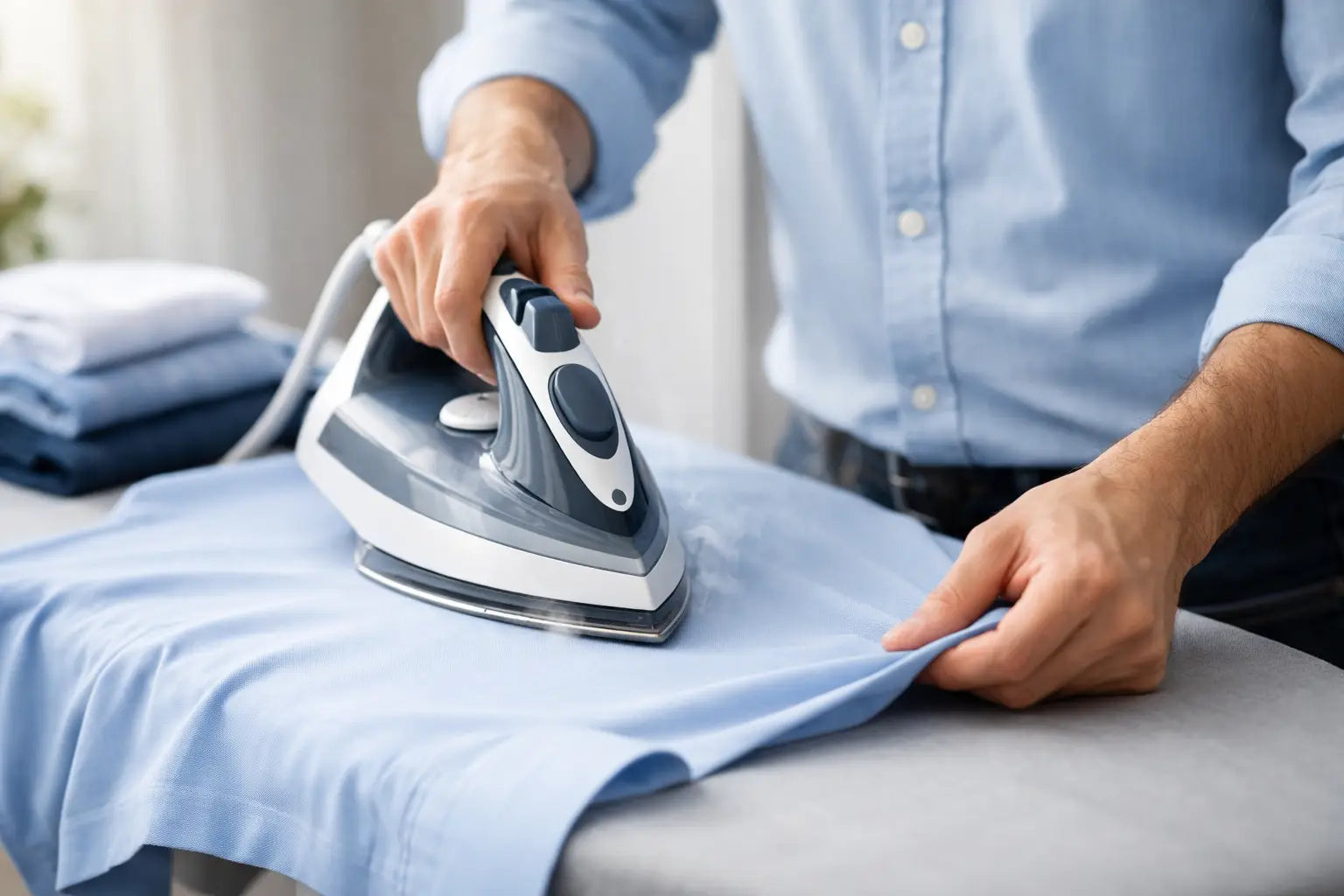
A stretch shirt earns its place in a hardworking wardrobe because it moves when you move. But knowing how to iron stretch shirts correctly is what keeps that comfort looking intentional rather than overly casual. The goal is a smooth, crisp surface that preserves the shirt’s recovery, shape, and refined finish.
For the man who goes from desk to dinner, the right care routine protects more than fabric. It protects the fit and polished appearance that make a contemporary button-up worth wearing on repeat.
Why Stretch Shirts Need a Different Approach
Traditional cotton dress shirts can often handle higher heat and firm pressing. Stretch shirts are different. Their comfortable give usually comes from a small amount of elastane or another performance fiber blended into cotton, knit, or technical fabric. Those fibers deliver flexibility, but excessive heat can weaken them over time.
That does not mean a stretch shirt should never be ironed. It means the iron should be treated as a finishing tool, not a forceful fix for deep-set wrinkles. Moderate heat, light pressure, and a little patience will produce a sharper result while helping the shirt maintain its original shape.
Fabric construction also matters. A woven cotton stretch shirt typically accepts more direct pressing than a soft knit-stretch style. A performance blend may need lower heat still. Always begin with the garment’s care label, especially if the fabric has a smooth, technical hand or noticeable texture.
Set Up for a Clean, Controlled Press
The best time to iron a stretch shirt is when it is slightly damp, not soaking wet. If the shirt has dried completely, use a clean spray bottle to lightly mist the fabric or allow your iron’s steam function to do the work. Moisture relaxes wrinkles with less need for high heat.
Set the ironing board at a comfortable height and make sure the cover is clean. A rough or stained surface can transfer marks onto lighter colors. Fill the iron with distilled water when possible, particularly if you use steam often. Mineral buildup can leave residue or cause uneven steam.
Start with a low-to-medium setting. For most cotton stretch shirts, a cotton setting with controlled steam is appropriate, but the care label is the final word. If you are unsure, test a discreet area near the shirttail or inside the cuff before working across the front panels.
A pressing cloth is a smart addition for dark colors, performance fabrics, and shirts with a slight sheen. It can be as simple as a clean, thin cotton cloth placed between the iron and the shirt. This extra layer reduces the risk of shine, scorching, and heat stress while still allowing wrinkles to release.
How to Iron Stretch Shirts Step by Step
Start with the collar and cuffs
Begin with the underside of the collar, pressing from the points toward the center. Then turn it over and repeat on the outer side. Avoid creating a hard crease directly along the collar fold unless that is the look you prefer. A natural roll often looks more modern and sits better beneath a jacket.
Open the cuffs flat and press the inside first, then the outside. Work carefully around buttons rather than pressing over them. Direct heat can crack buttons or leave a visible impression on the fabric.
Move to the yoke, sleeves, and shoulders
Place one shoulder over the narrow end of the ironing board and press the yoke in short, controlled passes. This is an area people notice when you wear a blazer, so take a moment to smooth it properly.
For sleeves, align the seams before pressing. A sleeve board is useful, but not essential. If you use a standard ironing board, press one side at a time and reposition the sleeve to avoid creating a sharp crease down the center unless you want a more traditional dress-shirt finish. For a relaxed business-casual look, a smooth sleeve with a soft natural line is the better choice.
Finish the body panels with light pressure
Lay one front panel flat and iron around the placket, working between the buttons. Use short strokes rather than dragging the iron aggressively across the fabric. Stretch fibers can pull under too much pressure, especially when the shirt is warm and damp.
Press the back panel in sections, starting at the upper back and moving toward the hem. Keep the fabric flat but never tug it tight. The shirt should leave the board looking smooth, not stretched wider or longer than its intended fit.
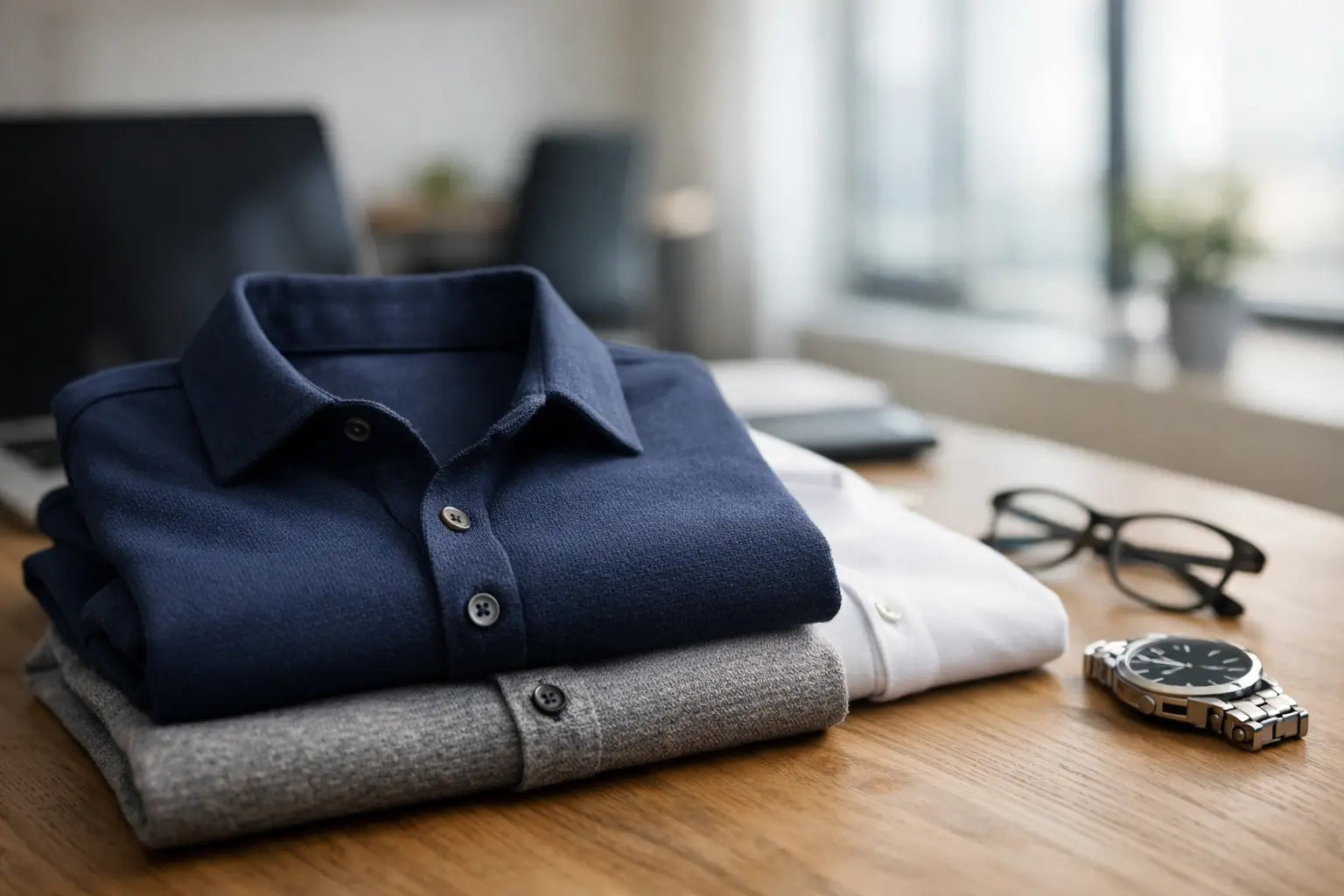
Once the shirt is pressed, hang it immediately on a quality hanger and button the collar and one or two chest buttons. Let it cool completely before wearing or placing it in a closet. Cooling on the hanger helps the fabric settle into its proper shape.
Common Mistakes That Shorten a Shirt’s Life
The fastest way to damage a stretch shirt is using maximum heat because a wrinkle will not release instantly. High heat may flatten the fabric’s finish, create shine, or reduce the elastic recovery that makes the shirt comfortable. If a wrinkle remains, add a little moisture and make another gentle pass instead.
Another common mistake is ironing a dirty shirt. Heat can set body oils, deodorant residue, or food marks into the fabric, making them harder to remove later. Press only freshly laundered shirts.
Do not leave the iron resting on one spot, particularly on dark navy, black, or richly colored fabrics. Even a few seconds can create a glossy patch that is difficult to correct. Keep the iron moving, lift it between sections, and use a pressing cloth whenever the fabric seems delicate or highly finished.
Finally, avoid over-ironing. Not every crease needs to disappear. A well-made stretch shirt should retain some natural softness. The standard is polished and confident, not stiff or over-pressed.
Keep the Sharp Look Between Presses
Good laundering habits reduce how often you need to iron. Remove stretch shirts from the dryer while they are still slightly damp, then hang them immediately and smooth the collar, placket, and cuffs by hand. If you prefer air drying, reshape the shirt gently on a hanger rather than draping it over a chair or radiator.
For travel or long office days, roll a shirt loosely instead of folding it into hard creases. When you arrive, hang it in the bathroom while you shower. Steam can relax minor wrinkles, especially in softer cotton-stretch and knit-stretch fabrics. This will not replace a proper press before a major presentation or event, but it is an effective refresh when time is limited.
A garment steamer is also a practical alternative for light touch-ups. Steam works especially well on the body and sleeves, where you want smoothness without a sharp crease. Use an iron for collars, cuffs, and plackets when you need more structure.
Choose Shirts That Work as Hard as You Do
Care is easier when the shirt begins with the right construction. A tailored cotton knit-stretch shirt offers a softer feel with a clean, elevated profile, while a woven stretch button-up brings more traditional shirt structure to office and occasion dressing. The right choice depends on your schedule, the dress code, and the level of polish you want.
For meetings, client lunches, and events, a refined stretch shirt with a structured collar and precise fit creates a strong foundation under a sport coat or with performance pants. For a more relaxed day, a soft stretch style can pair with chinos and still look considered. Details such as contrast trim and well-designed cuffs add distinction without making the outfit feel overdone.
At LEVINAS, the focus is on shirts that deliver that balance: premium-looking fabric, purposeful stretch, and a fit designed for real movement. When a shirt feels as good at the end of the day as it did when you put it on, it becomes the kind of piece you reach for first.
Treat your stretch shirts with measured heat and a clean finish, and they will keep doing their job: helping you look composed, move comfortably, and stay ready for whatever the day adds to your calendar.


Leave a comment
This site is protected by hCaptcha and the hCaptcha Privacy Policy and Terms of Service apply.