
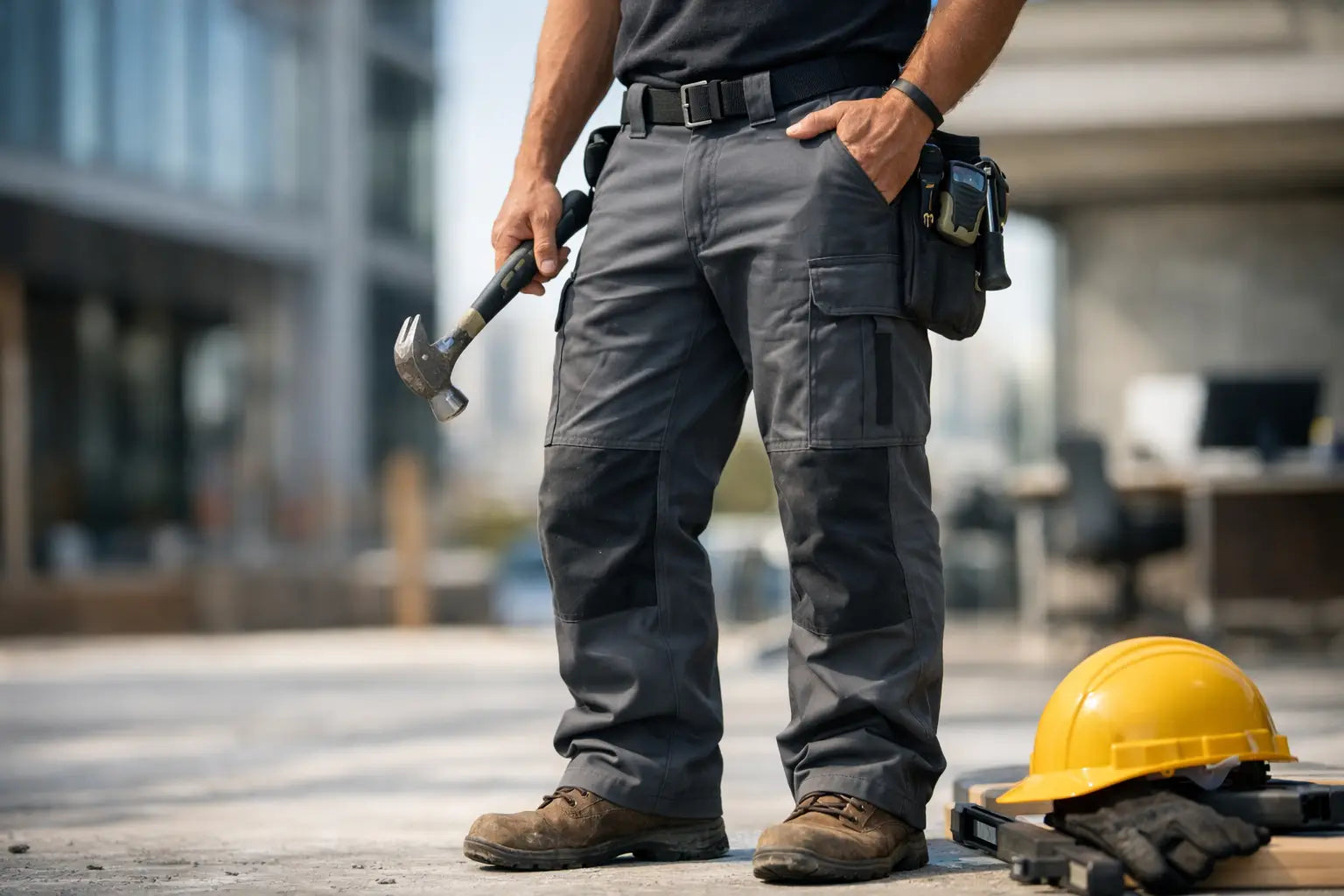
Performance Work Pants Review: What Matters Most
A pair of pants can look sharp at 8:30 a.m. and still become the weak point of your outfit by lunch. The waistband starts to pinch, the knees pull when you sit, and a clean business-casual look suddenly feels like a compromise. This performance work pants review focuses on what separates genuinely useful work pants from standard trousers with a stretch label.
For men who move between meetings, commutes, client lunches, and evening plans, the right pair should do more than look presentable. It should maintain a tailored appearance while giving you the comfort, flexibility, and dependable shape of a modern everyday essential.
What Performance Should Mean in Work Pants
Performance is not a single fabric feature. It is the combined result of stretch, recovery, breathability, durability, and a fit that works in motion. A pant with a small amount of stretch may feel comfortable for an hour, but that does not guarantee it will hold its shape through a full day of sitting, walking, driving, and standing.
The best performance work pants begin with a fabric that has a clean, refined face. From a distance, they should read as polished trousers rather than gymwear. Up close, the material should feel smooth and substantial enough to drape well without becoming stiff. That balance matters because a performance pant has to work with button-up shirts, knit polos, overshirts, and dress-casual footwear.
Stretch is essential, but recovery is what keeps the pant looking tailored. When the fabric extends at the seat, thigh, or knee, it should return to its original form instead of staying loose or baggy. Without strong recovery, comfort comes at the expense of a crisp silhouette.
Breathability is equally relevant, especially for men who commute, travel, or work in warmer offices. Lightweight fabric can be an advantage, but overly thin pants may show pocket outlines, cling at the leg, or lose structure. The ideal weight depends on your climate and routine. A man in a warm-weather city may prioritize airflow, while someone who wears pants year-round may prefer a slightly denser fabric with more shape.
Performance Work Pants Review: The Details That Count
A serious performance work pants review should look past broad terms such as "stretch" or "easy care." The real value appears in the details you feel every time you wear the pants.
Fit Should Look Intentional, Not Restrictive
Fit is the foundation. Performance fabric cannot rescue pants that are too tight through the thigh or too loose through the seat. A contemporary fit should follow the body cleanly, leaving enough room to move without creating excess fabric around the hips and knees.
Start with the waist. It should sit securely without requiring a belt to keep the pants in place. A small amount of give in the waistband can make long days more comfortable, particularly when you are seated, but an overly elastic waist can undermine the refined look many professional settings require.
Then evaluate the rise and thigh. A rise that is too low can pull when you sit and expose the shirt hem when you bend. A thigh that is too narrow may feel acceptable in the fitting room but become restrictive on stairs, in the car, or during a long commute. The right fit gives you room where movement happens and keeps the lower leg clean enough for a tailored finish.
Taper is a matter of personal preference, but it should match your footwear and overall style. A moderate taper is often the most versatile choice because it works with leather sneakers, loafers, Chelsea boots, and dress shoes. Extremely narrow openings can feel trend-driven, while a wide, straight leg may look less precise in a business-casual setting.
Fabric Should Support Your Schedule
The strongest fabrics combine softness with structure. They should feel easy against the skin but retain enough body to avoid looking casual or flimsy. A smooth technical blend can be especially practical for travel and busy workweeks because it resists excessive wrinkling and dries faster than traditional heavy cotton.
That said, fabric performance involves trade-offs. Technical materials often offer impressive stretch and wrinkle resistance, but some can feel too synthetic or develop static in dry conditions. Cotton-rich blends can provide a more familiar hand feel and a classic appearance, though they may wrinkle more easily and take longer to dry.
For most business-casual wardrobes, the best choice is a fabric that looks natural while delivering measured stretch. It should pair easily with a crisp shirt and structured outer layer rather than advertising its performance features from across the room.
Construction Determines How Long They Stay Sharp
Look at the parts of a pant that face the most stress: the waistband, seat, crotch seam, pockets, and knees. Clean stitching, secure closures, and well-finished pocket openings are not merely cosmetic. They affect how the pants hold up after repeated wear.
Pocket design deserves attention. Deep front pockets are useful, but if they gape open when you stand, they can disrupt the line of the pant. Rear pockets should sit flat and close securely. For a professional environment, streamlined pockets generally look better than oversized utility details, even if you carry your phone or wallet throughout the day.
A quality closure also matters. The button, hook, zipper, and fly should lie flat without pulling at the front. This is a small detail, but a clean front creates the polished appearance that makes performance pants appropriate for office settings, dinner reservations, and events with a smart dress code.
Where Performance Pants Fit in a Modern Wardrobe
Performance work pants are most useful when they reduce the number of decisions you make getting dressed. In navy, charcoal, black, or a versatile stone shade, they can become the foundation of several reliable combinations.
For a client-facing workday, wear them with a fitted button-up shirt, a leather belt, and loafers or polished lace-up shoes. The result is elevated without feeling overly formal. For a more relaxed office, pair the same pants with a knit-stretch shirt and clean leather sneakers. When the day runs into the evening, add an overshirt or lightweight jacket rather than changing your entire outfit.
This versatility is why a refined performance pant earns more wear than a highly specialized trouser. It does not replace dress pants for formal business occasions, weddings, or events that require traditional tailoring. It also may not replace denim when you want a more casual, textured look. Its strength is the middle ground: sharp enough for work, comfortable enough for real life.
LEVINAS performance pants are designed for that space, combining a contemporary profile with stretch-focused comfort that complements the brand's polished shirts and business-casual staples.
How to Judge a Pair Before You Commit
Try performance pants the way you will actually wear them. Stand, sit, take a few steps, and bend slightly at the knee. The fabric should move without resistance, and the waistband should remain comfortable without folding over or sliding down.
Pay attention to what happens after you sit for several minutes. Do the knees stay smooth? Does the seat remain clean? Does the fabric pull across the thigh? These are better indicators of everyday performance than a quick glance in the mirror.
Also consider your shirt length. A well-proportioned pant should support either a tucked-in button-up or a clean untucked look with a shorter casual shirt. If the rise is too low or the top block is too tight, your shirt may bunch at the waist and make the whole outfit appear less considered.
Finally, buy for the role the pants will play. If you need one dependable pair, choose a darker neutral that works across the week. If you already own navy or black, a medium gray, olive, or stone option can broaden your rotation while remaining easy to style. The most useful color is not necessarily the most eye-catching one. It is the one you can reach for when the calendar is full and you need to look put together without overthinking it.
The right performance work pants should make a long day feel less like a wardrobe test. Choose the pair that holds its shape, respects your range of motion, and still looks considered when the workday is over.



Leave a comment
This site is protected by hCaptcha and the hCaptcha Privacy Policy and Terms of Service apply.