
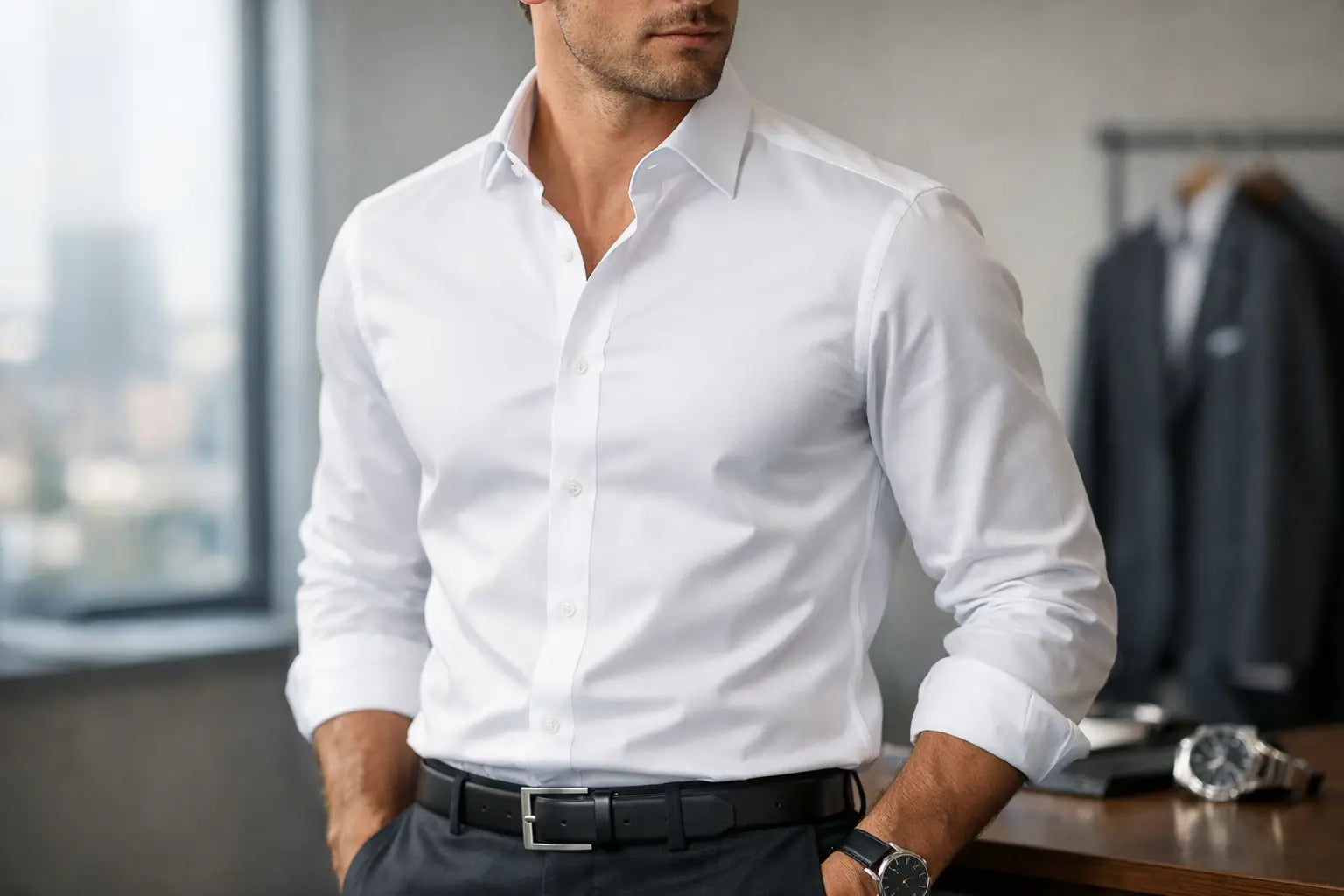
Tailored Fit Shirt Review: Sharp, Not Restrictive
A tailored fit shirt should make a man look more put together the moment he buttons it, not make him spend the day pulling at the shoulders or worrying about the midsection. That is the standard behind this tailored fit shirt review: a shirt needs to deliver a clean, modern profile while still working through meetings, commutes, dinners, and everything that happens between them.
For most men, tailored fit is the practical middle ground. It is sharper than a traditional or classic fit, yet more forgiving than a slim fit that can feel overly narrow across the chest and arms. When the pattern, fabric, and finishing details are right, it becomes one of the strongest foundations in a business-casual wardrobe.
What a Tailored Fit Shirt Should Feel Like
The name can be misleading. Tailored fit does not mean skin-tight, and it should never mean restrictive. A well-designed shirt follows the natural shape of the torso with modest suppression through the waist, leaving enough room to sit, reach, drive, and move through a full day comfortably.
The shoulder seam is the first place to look. It should sit near the edge of your shoulder rather than dropping down the arm or pulling inward toward the neck. From there, the chest should lie flat without excess fabric ballooning at the sides. A little ease is necessary, especially for men with broader shoulders or an athletic build, but the shirt should not look like it was borrowed from a larger size.
The sleeve is equally revealing. A tailored shirt should have a trimmer sleeve than a standard dress shirt, with enough room to bend your arm naturally. If the bicep feels compressed when you reach for a steering wheel or type at a desk, the cut is too aggressive. If the sleeve hangs wide and folds heavily under a jacket, it loses the clean effect the fit is meant to create.
Tailored Fit Shirt Review: The Fabric Makes the Difference
Fit may get the attention first, but fabric determines whether a shirt earns regular wear. Traditional woven cotton can look crisp and polished, but it may feel rigid during long days. Stretch construction changes that equation by allowing the shirt to move with the body instead of resisting it.
A cotton knit-stretch fabric is particularly strong for men who want the appearance of a refined button-up with a softer, more flexible feel. It offers comfortable recovery when you sit, move, or layer it under a blazer. That said, not every stretch shirt performs the same way. Too much synthetic content can create an overly slick hand feel or make the shirt appear less elevated. The best options retain the breathable, substantial character expected from cotton while adding measured stretch where it matters.
Weight is another consideration. A lighter shirt is useful for warm offices, travel, and spring-to-summer wear, while a slightly more substantial fabric tends to hold its shape better and provides a more premium appearance. There is no single right choice. The better option depends on whether your priority is maximum breathability, year-round structure, or a softer everyday feel.
Look closely at how the fabric behaves after movement. A shirt that springs back cleanly after sitting through a meeting will look more composed than one that creases heavily around the waist and elbows. Stretch does not eliminate wrinkles entirely, but it can make a noticeable difference in how polished the shirt remains from morning to evening.
The Details That Separate a Basic Shirt From a Better One
A tailored fit shirt is often worn without a tie, which puts more attention on the collar, cuffs, placket, and interior finishes. These are not minor details. They determine whether the shirt reads as intentional business-casual style or simply another basic button-up.
A structured collar should frame the face cleanly and hold its shape under a sport coat or sweater. It should also look right when worn open at the neck. For daily versatility, that balance matters more than an overly formal collar designed only for a tie.
Contrast trim can add personality without changing the shirt's overall function. Used at the inner collar, cuff, or placket, it gives the garment a finished, considered look that shows when the sleeves are rolled or the top button is open. The key is restraint. A subtle contrast detail feels refined; too much visual contrast can limit how often the shirt works across professional settings.
Dual cuffs are another useful feature for men who need their wardrobe to work harder. They offer an elevated finish when the occasion calls for it while maintaining the practicality of a standard button cuff. Details like these allow one shirt to move from an office presentation to an evening reservation without requiring a complete change of outfit.
Who Benefits Most From This Fit?
Tailored fit works especially well for men who find classic-fit shirts too full through the waist but do not want the narrow, fashion-forward cut of a slim shirt. It suits many average and athletic body types, including men with a defined chest and shoulders who still need room to move.
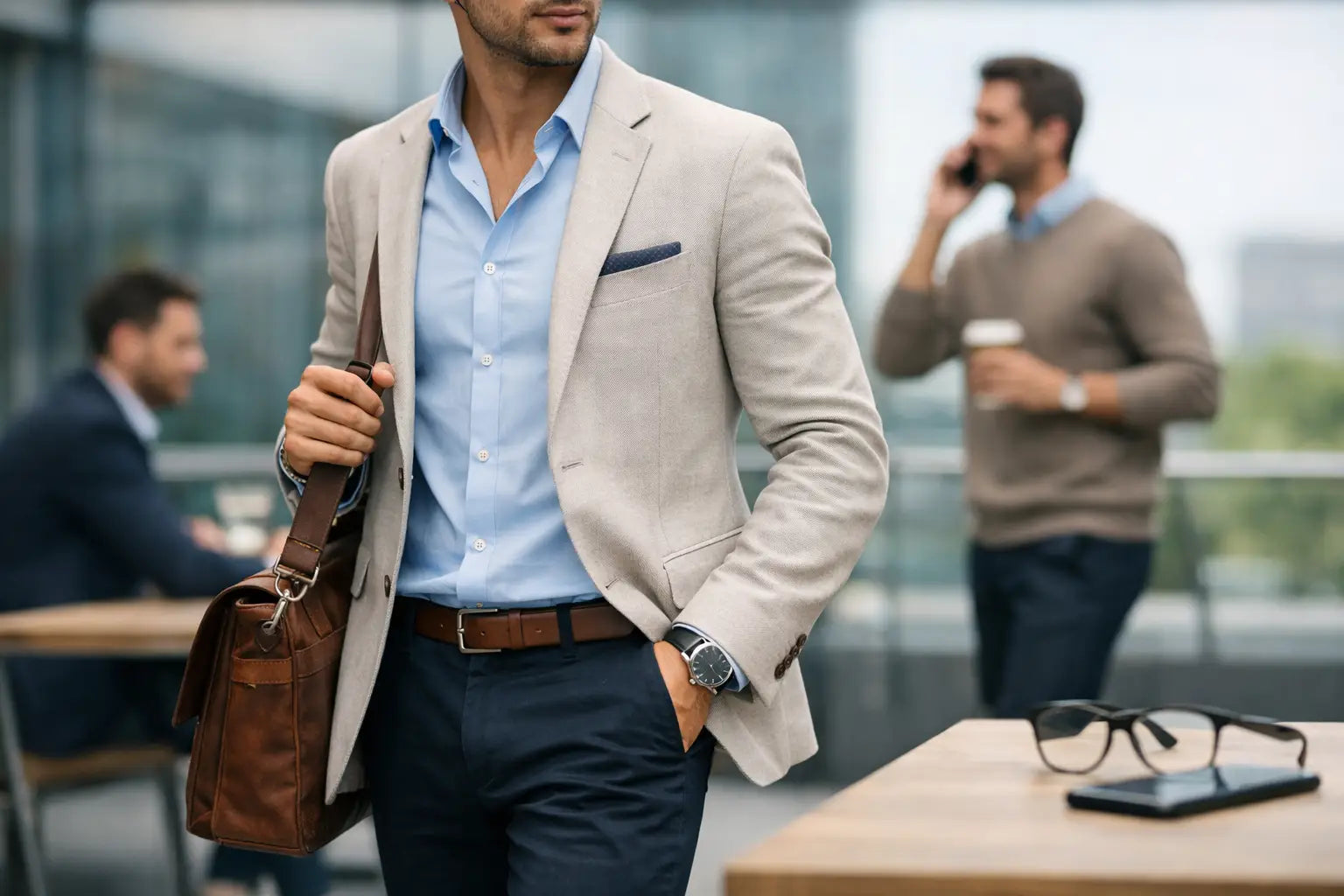
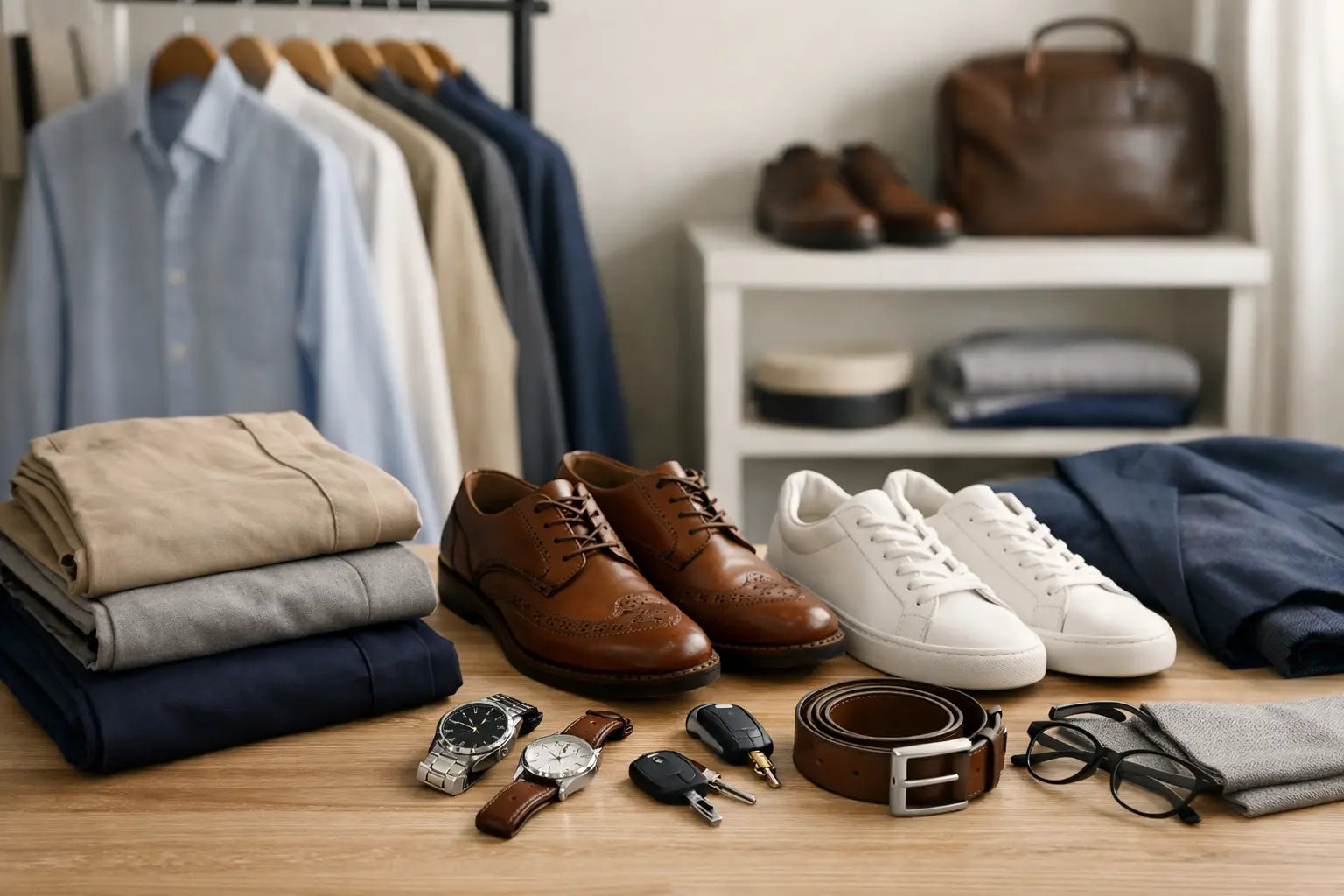
It can also be a strong choice for men who are building a more polished wardrobe without stepping into fully formal tailoring. Pair a white or light blue tailored shirt with performance pants for a clean weekday uniform. Choose a subtle print or richer color with chinos for dinner, travel, or a relaxed office. The same shirt can look more formal with a blazer and more casual with the sleeves rolled.
Men with a larger midsection may prefer a contemporary fit if they want more room through the torso. Sizing up in a tailored shirt is not always the answer, because it can push the shoulder seam too far out and create excess sleeve length. A better fit starts with the shoulders, then gives the body enough ease to button comfortably without pulling.
How to Judge the Fit Before You Keep It
A quick mirror check tells part of the story, but movement tells the rest. Button the shirt fully, sit down, raise your arms, and reach forward as if you were working at a desk. The buttons should remain flat, the collar should stay comfortable, and the shirt should not pull sharply across the back.
Pay attention to the length as well. For a shirt designed to be tucked, the hem should stay secure through normal movement. For a more casual button-up that will often be worn untucked, excessive length can make the proportions feel careless. The right length should complement the intended styling, not force you to constantly adjust it.
A good tailored shirt also creates a smoother line under layers. Try it under a blazer, knit quarter-zip, or lightweight jacket. If the body bunches at the waist or the sleeves create heavy folds, the shirt may be too large or made from fabric with insufficient structure.
Is a Tailored Fit Shirt Worth It?
For a man whose wardrobe needs to cover professional settings and off-hours plans, the answer is usually yes. The value is not only in looking trim. It is in having a shirt that performs across more situations, layers easily, and remains comfortable when the day runs longer than expected.
LEVINAS approaches this category with tailored-fit cotton knit-stretch shirts designed around that balance of polish and mobility. The strongest version of this style is not the tightest shirt in the closet. It is the one that gives the shoulders definition, keeps the torso clean, and lets you focus on the day rather than the fit.
Choose the size that respects your shoulders first, then let stretch fabric and a well-shaped torso do their job. When a shirt feels natural in motion and looks sharp standing still, it has earned its place in regular rotation.

Leave a comment
This site is protected by hCaptcha and the hCaptcha Privacy Policy and Terms of Service apply.