
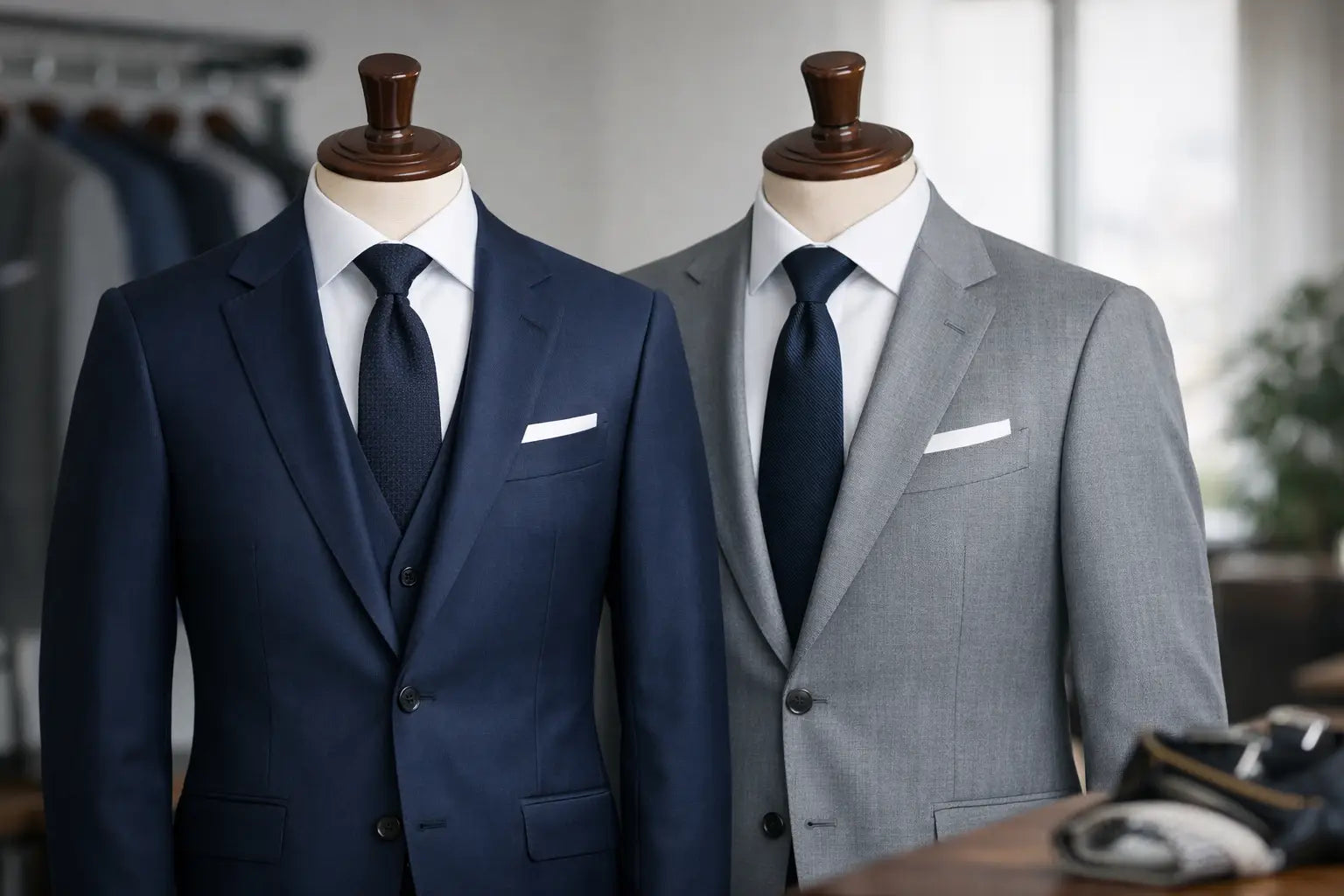
Tailored Fit vs Contemporary Fit Explained
A shirt can look premium on the hanger and still miss the mark once it is on your body. That is usually where the tailored fit vs contemporary fit decision matters most. The difference is not just about whether a shirt feels tighter or looser. It affects how clean your profile looks, how easily the shirt moves with you, and how versatile it feels from work to dinner to weekend plans.
For most men, this is not a fashion debate. It is a practical one. You want a shirt that sharpens your appearance without feeling restrictive, and you want a fit that works with your build, your office dress code, and the way you actually wear your clothes. That is why understanding these two fits is worth a closer look.
Tailored fit vs contemporary fit: what changes
At a glance, both fits are designed to look polished. Neither is meant to feel oversized or sloppy. The real distinction is in how closely the shirt follows the body.
A tailored fit is cut closer through the chest, waist, and sleeves. It is shaped to create a trimmer silhouette, with less excess fabric around the midsection. When done well, it gives you a sharper line under a blazer and a cleaner look untucked or tucked in. It tends to feel more precise and more modern, especially for men who prefer a leaner profile.
A contemporary fit offers a bit more room through the torso and sleeves while still maintaining structure. It is not boxy, and it is not the old-school full fit many men are trying to avoid. Think of it as balanced rather than narrow. It gives you breathing room, easier movement, and a polished shape that does not cling.
That difference sounds minor on paper, but on the body it can completely change how a shirt performs. One fit may make you look more streamlined. The other may make you feel more comfortable across a full day of sitting, commuting, presenting, and moving around.
Who should choose a tailored fit
A tailored fit usually works best for men with a slimmer build, an athletic frame, or anyone who prefers a more defined silhouette. If standard shirts often feel too loose at the waist or create extra fabric when tucked in, tailored fit will likely look cleaner right away.
It is also a strong option if you wear your shirts in more polished settings. Under a sport coat or suit jacket, a closer fit reduces bunching and keeps your profile crisp. In business-casual environments where appearance still matters, that sharper line can make a visible difference without looking overstyled.
That said, tailored does not automatically mean better. If the shirt pulls at the buttons, feels tight across the shoulders, or restricts movement when reaching and sitting, it is too close. A good tailored fit should still allow comfort. The best versions use stretch fabric or knit construction so the shirt keeps its shape without working against you.
For men who want a refined look but do not want the stiffness that often comes with traditional dress shirts, this is where fabric becomes just as important as cut. A tailored fit in a cotton knit-stretch shirt, for example, can offer the clean profile of a trim shirt with the flexibility of something much easier to wear.
Who should choose a contemporary fit
A contemporary fit is often the smarter choice for men who want polish without a close-to-the-body feel. If you prefer a little more room through the midsection, have a broader frame, or simply do not enjoy the compression of trimmer shirts, this fit tends to be more forgiving.
It also suits the realities of modern business-casual dressing. Not every day calls for a sharply tapered shirt. Sometimes you need something that looks professional in the office, stays comfortable through long hours, and still works after work without feeling too formal. Contemporary fit sits in that sweet spot.
This fit is especially useful for men whose shape does not fit neatly into slim categories. Broad shoulders, a fuller chest, or a thicker midsection can all benefit from a cut that gives a bit more ease while still looking intentional. The right contemporary shirt should skim the body, not hang from it.
There is also a styling advantage here. Contemporary fit shirts often transition easily across tucked and untucked looks, depending on length and hem design. They can feel more relaxed with chinos or performance pants, while still holding their own with dress trousers and a blazer.
Tailored fit vs contemporary fit in real wear
The easiest way to compare tailored fit vs contemporary fit is to think about where you notice a shirt first. With tailored fit, you notice the shape. With contemporary fit, you notice the ease.
A tailored shirt usually creates a more sculpted look from the front and side. It can make your overall outfit feel more elevated, especially if you favor clean lines and minimal bulk. This is ideal when you want your shirt to do some of the work of sharpening your appearance.
A contemporary shirt, by contrast, usually wins on day-long wearability for a broader range of body types. If your workday includes a lot of movement, time at a desk, travel, or long stretches of wear, that added room can make the shirt feel more natural without sacrificing style.
Neither fit is universally right. The better choice depends on your frame, your comfort threshold, and the settings where the shirt will be worn. Many men actually need both. A tailored fit can handle the more polished end of the wardrobe, while a contemporary fit covers the everyday core.
Fabric can change how each fit feels
Fit names only tell part of the story. Two shirts labeled differently can feel surprisingly similar or completely different depending on fabric, stretch, and construction.
A tailored fit in a rigid woven fabric may feel much closer than expected. The same cut in a cotton knit-stretch fabric can feel far more flexible and wearable. That is why men who want a trimmer shirt without the discomfort should pay close attention to stretch content and softness.
The same principle applies to contemporary fit. If the fabric has body and recovery, the shirt can still look sharp even with added room. If the fabric is too stiff or too heavy, extra room can quickly read as bulk. Premium performance fabrics and stretch blends help contemporary shirts maintain structure while delivering comfort.
This is one reason fit-driven brands matter. The cut has to work with the fabric, not against it. When that balance is right, the shirt feels intentional instead of compromised.
How to tell if the fit is right
The right shirt should make you look more put together the moment you button it, but it should not require constant adjustment. That is the standard.
Check the shoulders first. The seam should sit close to the natural edge of your shoulder. If it falls too far down the arm, the shirt is too roomy. If it rides up, it is too tight. From there, look at the chest and waist. You want shape, not strain. Buttons should lie flat, and the shirt should skim your body without pulling.
Sleeves matter more than most men think. A tailored fit usually has a narrower sleeve opening and cleaner arm line, while a contemporary fit gives a touch more space. Neither should balloon. The goal is controlled shape with comfortable movement.
Finally, pay attention to how the shirt behaves when tucked in and when sitting down. If excess fabric bunches heavily at the waist, a more tailored option may serve you better. If the shirt feels restrictive across the back or stomach after an hour of wear, contemporary fit may be the better call.
The smarter choice for a versatile wardrobe
If your wardrobe leans sharper, more fitted, and blazer-friendly, tailored fit will likely give you the stronger result. If your priority is broad versatility, easier comfort, and all-day wear, contemporary fit is often the more dependable foundation.
For many men, the decision comes down to where compromise shows up. Some are willing to trade a bit of room for a cleaner silhouette. Others want extra ease without losing polish. That is a reasonable trade either way, as long as the shirt still looks intentional.
At LEVINAS, that balance between appearance and comfort is the standard men are really shopping for. A shirt should not force you to choose between looking sharp and feeling comfortable. The right fit, paired with the right fabric, should handle both.
The best way to think about it is simple. Choose tailored fit when you want a more defined profile. Choose contemporary fit when you want a little more ease with the same polished outcome. When your shirt matches your build and your day, getting dressed becomes a lot more efficient.



Leave a comment
This site is protected by hCaptcha and the hCaptcha Privacy Policy and Terms of Service apply.