
Chinos vs Trousers for Office Style
Monday morning usually makes the decision for you. If your calendar says client presentation, leadership meeting, or dinner after work, the pants you choose matter almost as much as the shirt. When it comes to chinos vs trousers for office wear, the right answer depends on how polished your workplace expects you to look and how much comfort you want built into the day.
For most men, this is not a question of which one is better in absolute terms. It is a question of which one works better for your office, your schedule, and your wardrobe. A sharp business-casual closet should have room for both. The difference is knowing when each earns its place.
Chinos vs trousers for office: what changes the look?
At a glance, chinos and trousers can look close enough that some men treat them as interchangeable. They are not. The distinction usually comes down to fabric, construction, and how formally the pant is finished.
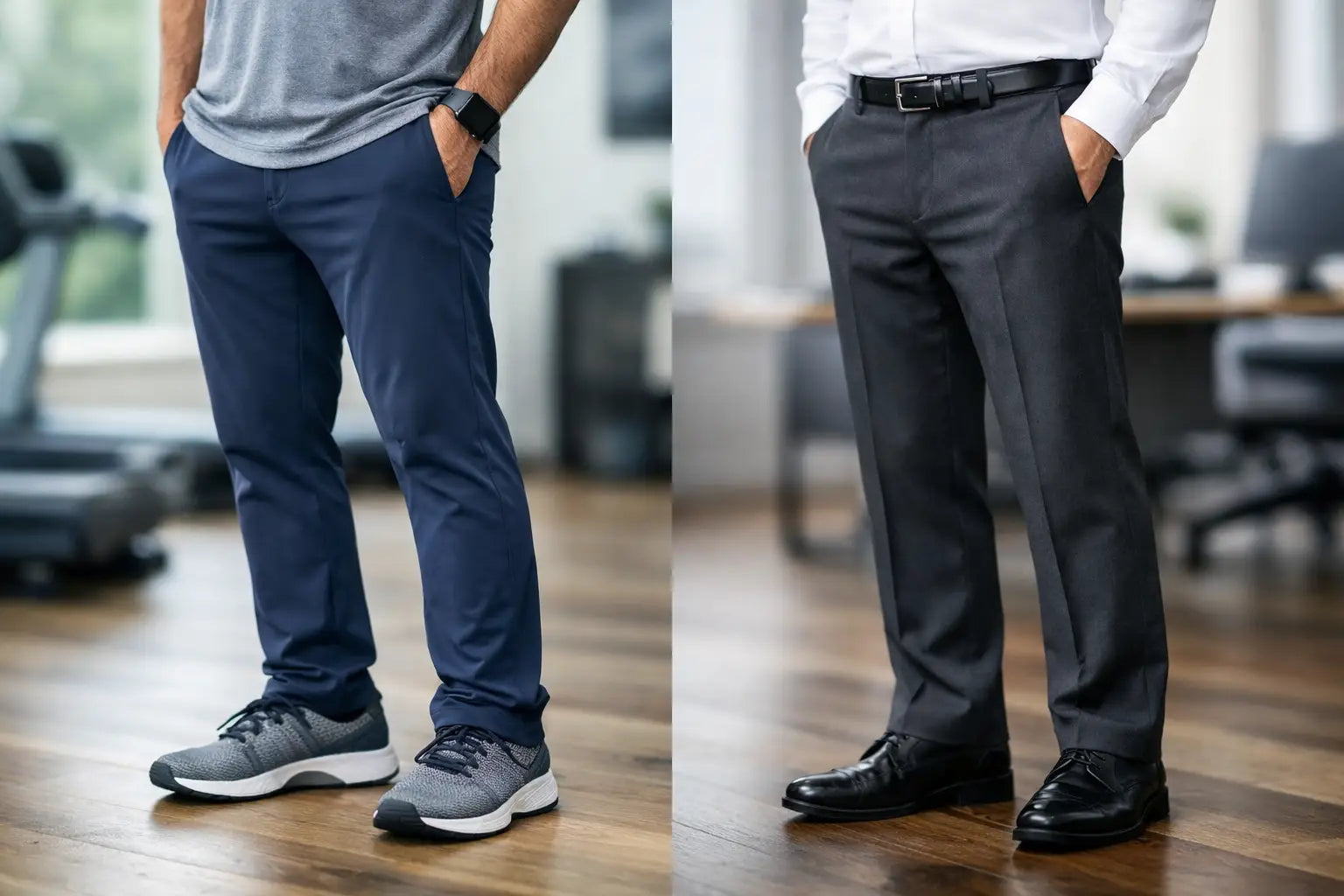
Chinos are typically made from cotton twill or a cotton-blend fabric, often with stretch. They read cleaner than jeans but more relaxed than traditional dress pants. The styling is usually simpler, with slanted front pockets, minimal structure, and a finish that feels versatile rather than strictly formal.
Trousers, in the officewear sense, usually refer to more tailored pants made from wool, polyester blends, performance suiting fabric, or refined dress-pant materials. They tend to have a sharper drape, more formal lines, and details that lean dressier overall. Even when they are built with stretch, they are designed to hold a more elevated shape.
That difference matters because office style is not only about category. It is about impression. Chinos suggest modern business casual. Trousers suggest a higher level of intention.
When chinos are the right office move
If your office lives in the business-casual zone, chinos are often the foundation of a practical wardrobe. They offer range. You can wear them with a button-up shirt and loafers for a polished workday, then keep the same pair on for dinner, travel, or weekend plans without looking overdressed.
The biggest advantage is comfort. A well-cut chino in a soft stretch fabric moves better through long commutes, desk hours, and after-work obligations. For men who spend the day walking the floor, moving between meetings, or working in hybrid settings, that flexibility is hard to beat.
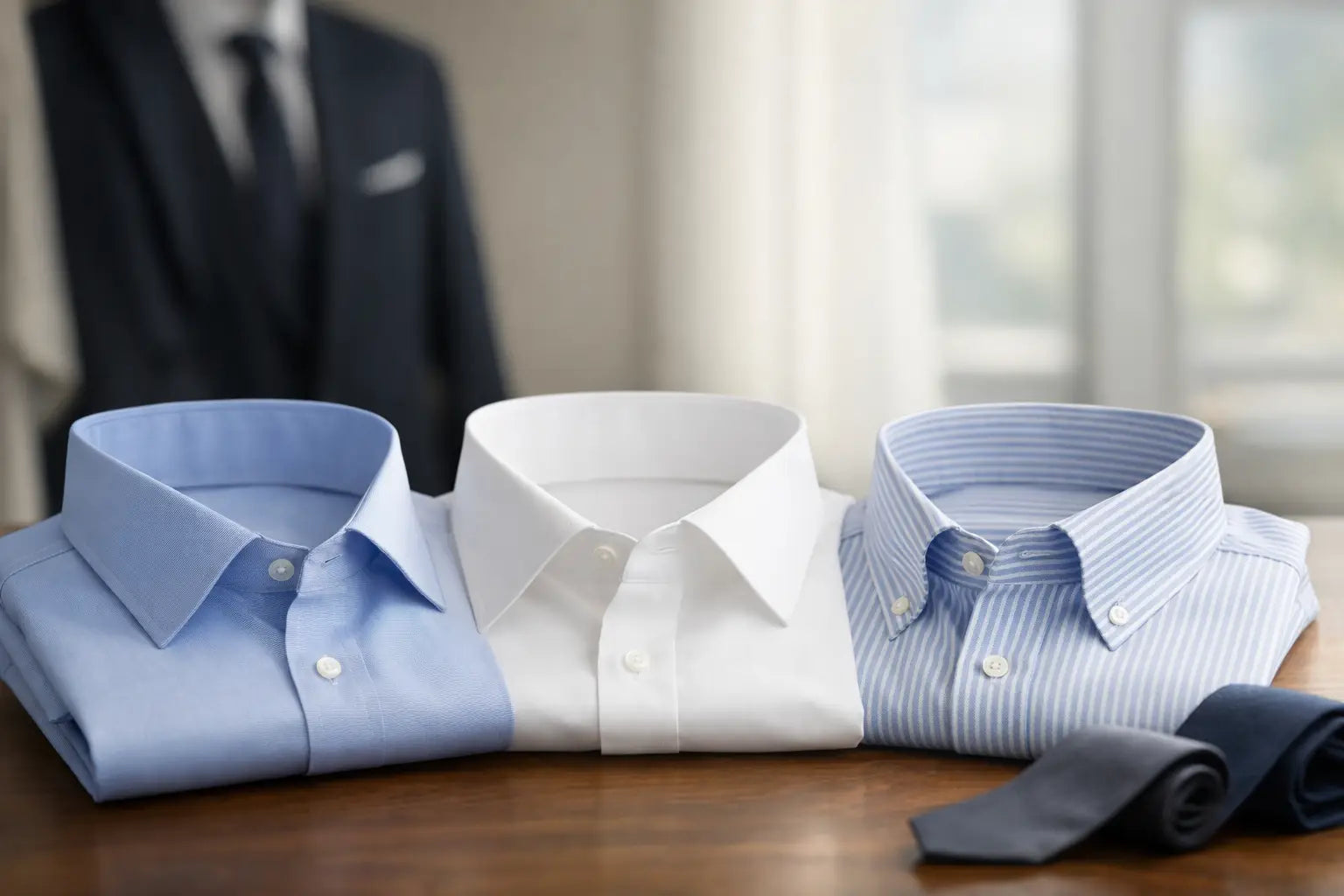
Chinos also pair especially well with contemporary shirts. A crisp white or light blue button-up creates a clean office look without the stiffness of full tailoring. If your workplace allows untucked looks on casual days, chinos still hold enough structure to keep the outfit sharp.
Color is another reason chinos work so well. Khaki, navy, charcoal, olive, and stone all give you easy rotation. Navy and charcoal chinos in particular can carry more authority than lighter shades, making them ideal for offices where the dress code is relaxed but not careless.
That said, chinos have limits. In a conservative office, they can read too casual, especially if the fabric is visibly textured, the fit is too slim, or the color is too informal. A chino that looks excellent on Friday may not be the strongest choice for a boardroom presentation on Tuesday.
When trousers make more sense
Trousers are built for offices where polish is non-negotiable. If your company still leans traditional, if you meet clients face-to-face, or if your role puts you in higher-visibility situations, trousers usually give you the safer and stronger option.
What sets them apart is drape and finish. A proper trouser falls cleaner through the leg, holds its crease better, and frames the rest of the outfit with more precision. That makes your shirt look sharper, your shoes look more intentional, and your entire appearance more composed.
They are also the better choice when you need versatility in a different direction. Chinos move easily from office to casual settings. Trousers move easily from office to more formal events, business dinners, and occasions where a blazer may come off but the standard still stays high.
Modern trousers also no longer mean stiff or restrictive. Performance fabrics, lighter weights, and stretch blends have changed the category. The best pairs keep the clean line of dress pants while adding enough comfort for all-day wear. For many men, that is the sweet spot - polished enough for demanding office settings, comfortable enough to wear without thinking about them.
Fit matters more than the label
A lot of the chinos vs trousers for office debate is really a fit debate. A poor-fitting trouser can look dated and heavy. A well-fitted chino can look elevated and expensive. On the other hand, a slim chino that pulls at the thigh or collapses at the ankle will never look office-ready, no matter how good the fabric is.
For most men, the cleanest office fit is tailored but not tight. You want room to sit comfortably, enough shape through the seat and thigh, and a leg opening that stays neat over your shoes. Too narrow and the outfit starts to feel trend-driven. Too wide and it loses the refined, modern look that business-casual dressing depends on.
Length matters just as much. A slight break works for both chinos and trousers in most offices. Cropped hems can look stylish, but they are less forgiving in professional settings unless the rest of your wardrobe is very intentional.
If you are building around fitted shirts, balance is key. A contemporary shirt with stretch and a clean silhouette works best with pants that follow the body without clinging. That is where premium chinos and performance trousers outperform cheaper alternatives. Better fabric helps the fit hold its shape throughout the day.
Fabric tells people how formal you are
The fastest way to judge whether pants belong in your office is fabric. Smooth, refined materials almost always dress up better than heavy, casual, or visibly rugged ones.
For chinos, look for fine cotton twill, cotton-stretch blends, and fabrics with a clean surface. The more streamlined the texture, the easier they are to dress up. Avoid overly washed finishes, cargo styling, or anything that feels too weekend-focused.
For trousers, lightweight wool blends, technical performance fabrics, and smooth synthetic blends all work well. These fabrics resist wrinkling better, hold a sharper crease, and create a more elevated line from waist to hem.
Stretch deserves special attention. In officewear, stretch should improve movement without making the pant look casual. That is the goal. The best office pants never advertise comfort at the expense of appearance. They simply feel better while still looking sharp.
How to choose based on your office dress code
If your office is casual business casual, chinos should probably do most of the heavy lifting. They offer enough polish for everyday wear and enough flexibility for how modern work actually looks. Pair them with button-up shirts, knit shirts, or lightweight layering pieces and you have a reliable uniform.
If your office is standard business casual with frequent meetings or external interactions, keep both in rotation. Chinos cover regular workdays. Trousers step in when the calendar turns more formal. This is where wardrobe versatility matters most.
If your office is corporate, client-facing, or executive in tone, trousers should be the default. Chinos may still work on select days, but they should be darker, cleaner, and styled carefully. In these environments, the margin for looking underdressed is smaller.
If your workplace is hybrid and unpredictable, build around the middle. Choose elevated chinos and modern performance trousers in versatile colors like navy, charcoal, and black. Those shades give you room to move up or down depending on the shirt, shoe, and outer layer.
What to buy first
If you are starting from scratch, buy the pair you will wear three times a week, not the pair you imagine wearing once a month. For many men, that means a dark chino with a refined finish. It covers more ground and works with more shirts.
Your second move should be a dressier trouser in a clean, office-friendly color. That gives you range without overcomplicating the wardrobe. From there, build around fit, fabric performance, and how your real week looks.
At LEVINAS, that philosophy is simple: the best office wardrobe does not force you to choose between comfort and polish. It gives you both, in the right proportion.
The strongest style choice is rarely about following a rule. It is about reading the room, knowing your standard, and wearing the pair that makes the rest of your outfit look intentional.

Leave a comment
This site is protected by hCaptcha and the hCaptcha Privacy Policy and Terms of Service apply.