
Do Stretch Pants Sag? What Determines the Fit
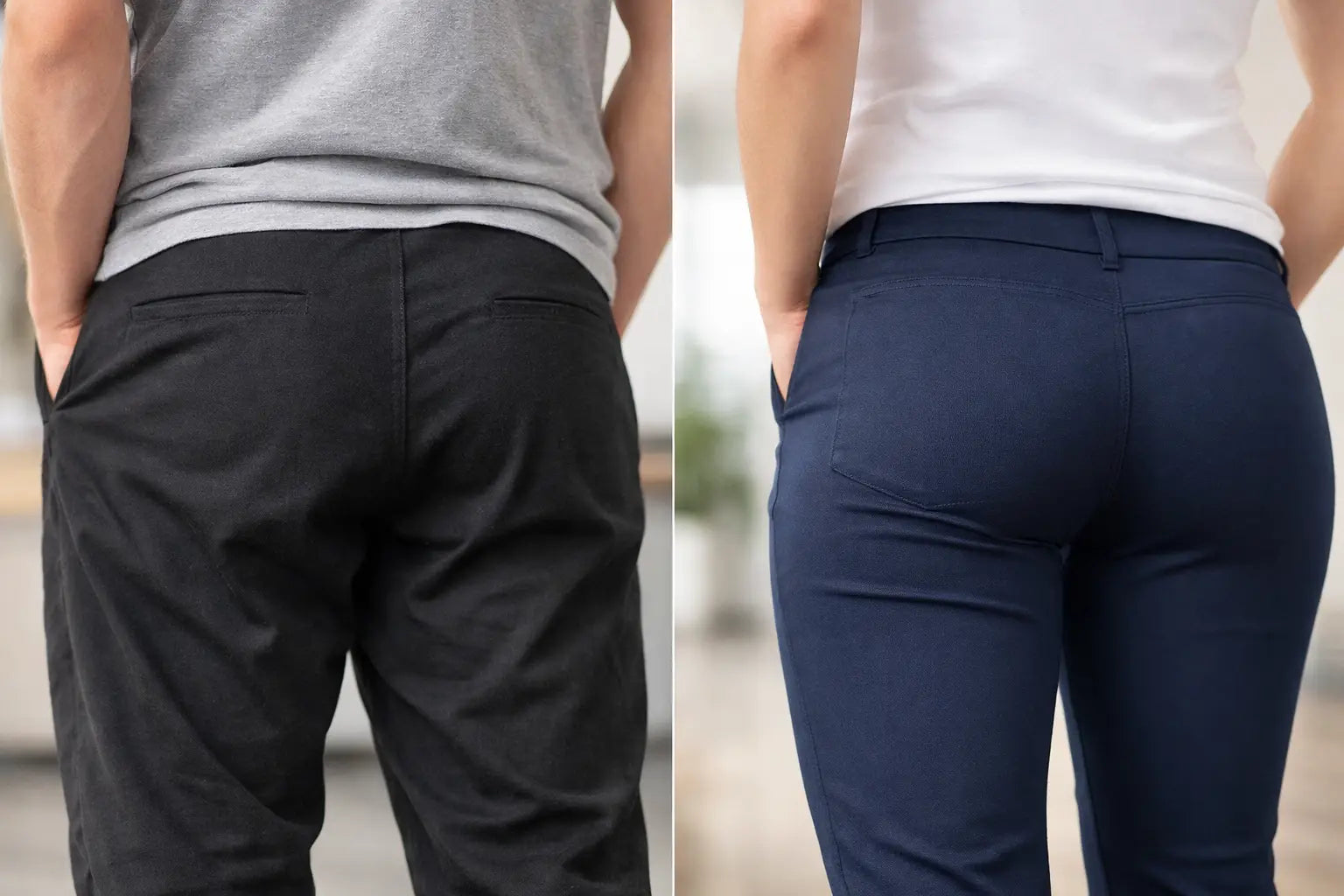
A sharp pair of stretch pants should make a long workday easier, not leave you adjusting loose knees and a baggy seat by 3 p.m. So, do stretch pants sag? They can, but stretch itself is not the problem. The difference comes down to fabric recovery, construction, fit, and how the pants are worn and cared for.
For men building a business-casual wardrobe, this matters. A pant that holds its shape keeps a clean line from the office to dinner, whether it is styled with a crisp button-up, a knit shirt, or a tailored overshirt. Comfort is valuable, but it should never come at the expense of a polished appearance.
Do Stretch Pants Sag Over Time?
Quality stretch pants are designed to return to their original shape after movement. Sitting, driving, climbing stairs, and walking across town all place tension on the fabric. In a well-made pair, the stretch fibers recover after that tension is released, helping the knees, thighs, and seat look refined throughout the day.
Lower-quality pants, or pants made with too much weak elastic fiber, may lose that recovery. The fabric can relax at the knees, pull away at the seat, or become visibly loose through the thighs. This is often called bagging out, and it is different from a pant simply having a relaxed fit.
Some temporary easing is normal. Cotton-based pants often feel slightly more relaxed after several hours of wear, particularly in warm conditions. They should not, however, look a full size larger by the end of the day. When they do, the fabric blend or the fit is likely working against you.
Why Stretch Pants Start to Bag Out
Fabric recovery matters more than stretch percentage
A high stretch percentage does not automatically mean better performance. In fact, a pant with excessive stretch can feel soft in the fitting room yet struggle to maintain its structure after repeated wear. The goal is balanced stretch: enough give for natural movement, combined with a substantial base fabric that keeps the silhouette intact.
Look for pants made with a durable cotton, performance-woven, or structured synthetic blend supported by elastane. Elastane provides the give, but the surrounding fibers do much of the work in preserving the pant's shape. A dense, smooth fabric generally offers a cleaner drape and stronger recovery than a thin fabric with a spongy hand feel.
The fabric's weight also affects performance. Lightweight pants are practical for warm weather, but they may show knee bags more easily than a medium-weight chino or performance pant. That does not make lightweight styles a poor choice. It simply means their fit should be more precise, and they are best selected for the climate and setting where they will be worn.
The wrong fit creates unnecessary stress
Even premium stretch fabric cannot compensate for a pant that is too tight. When the seat, upper thigh, or rise is under constant tension, the material is forced to stretch beyond its intended range. Over time, that can weaken recovery and cause the pant to look loose in the exact areas where it once felt restrictive.
A proper contemporary fit should follow the body without gripping it. You should be able to sit comfortably, move through your stride, and use your pockets without the fabric pulling sharply across the front or seat. The waistband should sit securely without requiring a belt to keep it in place, but it should not dig in when seated.
Sizing up is not always the answer, either. A pant that begins too loose in the waist and thighs will have extra fabric from the start, and stretch can make that looseness more noticeable during the day. The best fit begins close to the body in the right places, with room to move rather than room to spare.
Daily wear exposes weak construction
Knees and seats take the most abuse because they bend, compress, and rub against surfaces throughout the day. Poorly constructed pants can develop uneven bagging because the fabric has not been cut, sewn, or reinforced to handle those high-movement zones.
Repeated wear without rest can contribute as well. Wearing the same pair several days in a row gives moisture, body heat, and movement little time to release from the fabric. Rotating your pants is a practical way to keep them looking sharper longer, particularly if you rely on stretch chinos as a foundation of your weekly wardrobe.
How to Tell if a Pair Will Hold Its Shape
Before committing to a pair, test the fabric with your hands. Gently stretch a section at the thigh or knee, then release it. It should return quickly and smoothly, without looking wavy or loose. This simple check will not reveal every performance issue, but it can help you spot fabric that feels overly delicate or under-structured.
Pay attention to how the pants look after you sit. In a fitting room, take a seat for a few minutes, stand, and check the knees, seat, and upper thighs. Minor creasing is expected. Deep folds that remain after standing, or fabric that visibly hangs away from the leg, are signs that the pant may not keep a tailored appearance through a full day.
The cut should also match your build. Men with athletic thighs may need more room through the upper leg while keeping a clean taper below the knee. Men with a straighter build may prefer a more streamlined contemporary fit. Neither approach is better on its own. The right option is the one that avoids pulling while maintaining a deliberate shape.
Choosing Stretch Pants That Stay Polished
The strongest choice for most business-casual wardrobes is a medium-weight stretch chino or performance pant with moderate elastane and a structured weave. It offers the comfort needed for travel, commuting, and long meetings while still pairing naturally with dress shirts and leather shoes.
Consider these details when comparing styles:
- A fabric that feels substantial rather than thin or overly soft
- Moderate stretch with a quick return after being pulled
- A waistband that fits securely without compression
- Enough room in the seat and thigh for your natural movement
- A clean taper or straight leg that complements your shoes
At LEVINAS, a refined stretch pant is meant to support the rest of the outfit, not compete with it. The right pair gives you the freedom of a casual garment while preserving the clean proportions expected in a polished business-casual look.
Care Habits That Protect Fabric Recovery
Heat is one of the fastest ways to shorten the life of stretch fibers. Wash stretch pants in cool water, turn them inside out, and use a gentle cycle when possible. Avoid overloading the machine, which increases abrasion and can leave permanent wear marks on the surface of the fabric.
Drying matters just as much. High dryer heat can damage elastane and reduce the fabric's ability to spring back. Air drying is the safest option. If you use a dryer, choose low heat and remove the pants promptly. A quick steam or light press can restore a clean finish, but always use the appropriate heat setting for the fabric.
Do not wash pants after every short wear unless they are visibly soiled. Excess washing gradually wears down fibers. For office use, hanging pants after wearing them and allowing them to air out can often extend the time between washes while keeping them fresh and presentable.
When Sagging Means It Is Time to Replace Them
Temporary knee easing after a long day is normal. Permanent bagging that remains after washing is not. If the knees stay stretched, the seat looks loose, the waistband no longer recovers, or the fabric has developed a shiny, worn appearance, the pants have likely reached the end of their best life.
A quality pair should earn its place through repeat wear, not just a strong first impression. Choose stretch pants with a balanced fabric, a fit built for your body, and enough structure to look composed after hours of movement. When your pants hold their line, getting dressed for work, weekends, and everything between becomes considerably simpler.

Leave a comment
This site is protected by hCaptcha and the hCaptcha Privacy Policy and Terms of Service apply.