
Casual Button Up vs Dress Shirt
A shirt can look polished on the hanger and still feel wrong the second you put it on. That usually comes down to one question: casual button up vs dress shirt. If your calendar moves between office hours, dinners, travel, and weekend plans, knowing the difference helps you buy better, dress faster, and build a wardrobe that actually works.
For most men, this is not about choosing one and ignoring the other. It is about understanding what each shirt is built to do. A dress shirt is designed to clean up your look, sharpen your profile, and pair naturally with tailored pieces. A casual button-up is designed to relax the formality while still looking intentional. Both matter. The better choice depends on fabric, fit, collar structure, and where you plan to wear it.
Casual button up vs dress shirt: the core difference
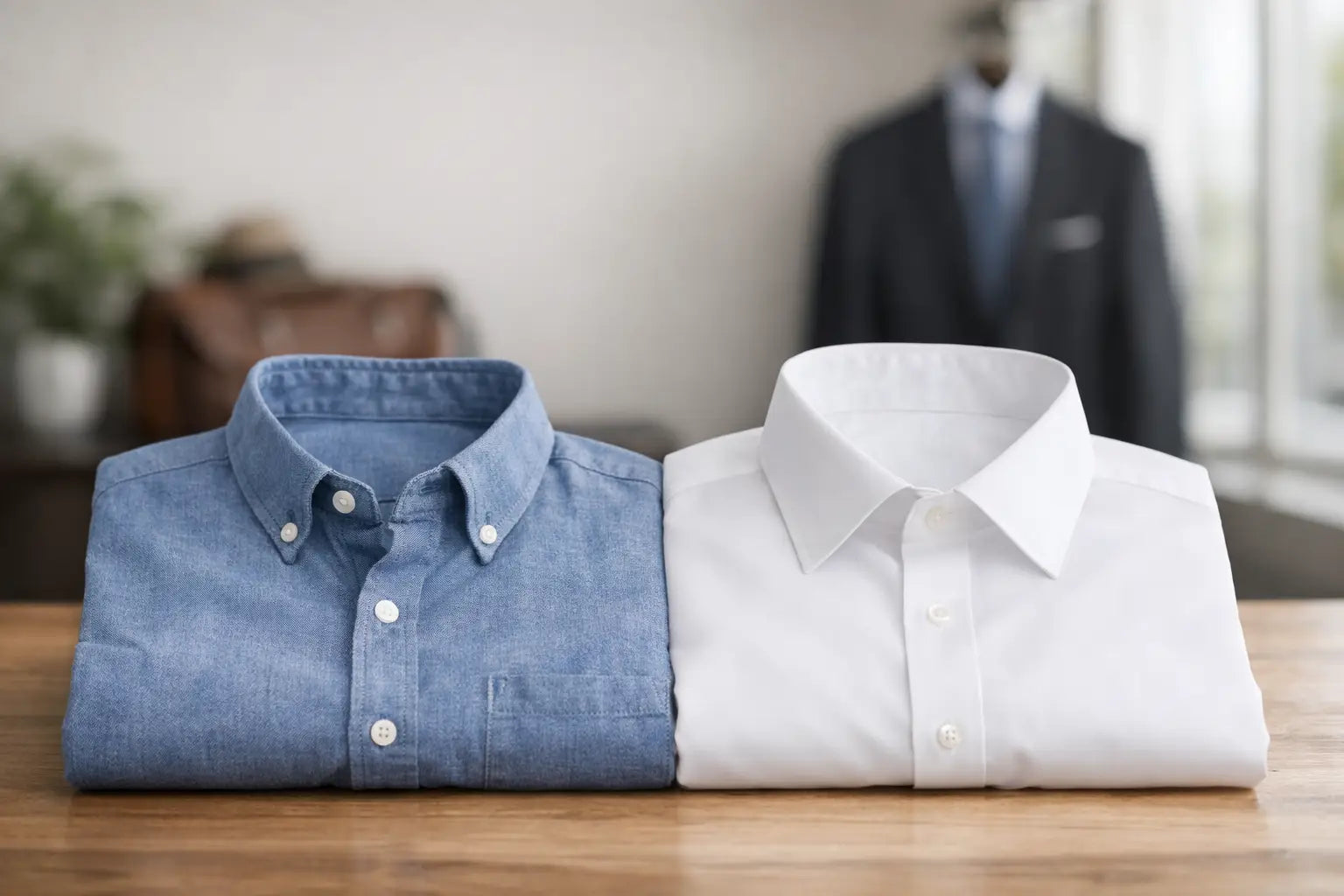
The fastest way to separate the two is to look at structure. A dress shirt is more formal by design. It usually has a firmer collar, a cleaner front, finer fabric, and a silhouette meant to sit neatly under a blazer or suit. A casual button-up softens those details. The collar is often less rigid, the fabric may have more texture, and the overall look is more relaxed.
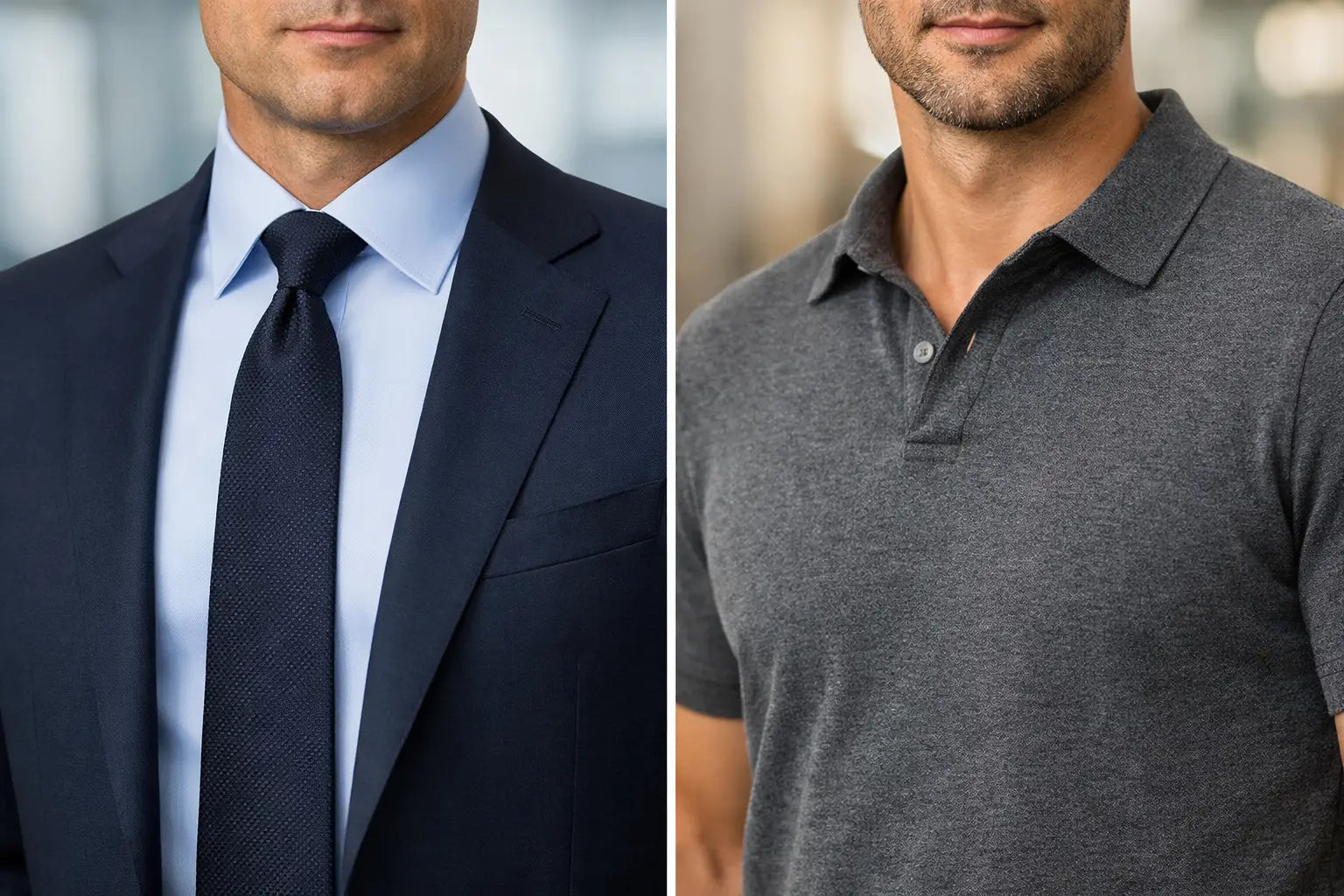
That difference sounds simple, but in practice it affects everything from comfort to versatility. A dress shirt can elevate your appearance in seconds, especially in business settings, formal events, or any environment where a jacket and dress shoes make sense. A casual button-up gives you more room to move, more styling flexibility, and often a more natural fit for business-casual offices and off-duty wear.
The best wardrobes use both strategically. One covers formality. The other covers range.
What makes a dress shirt a dress shirt
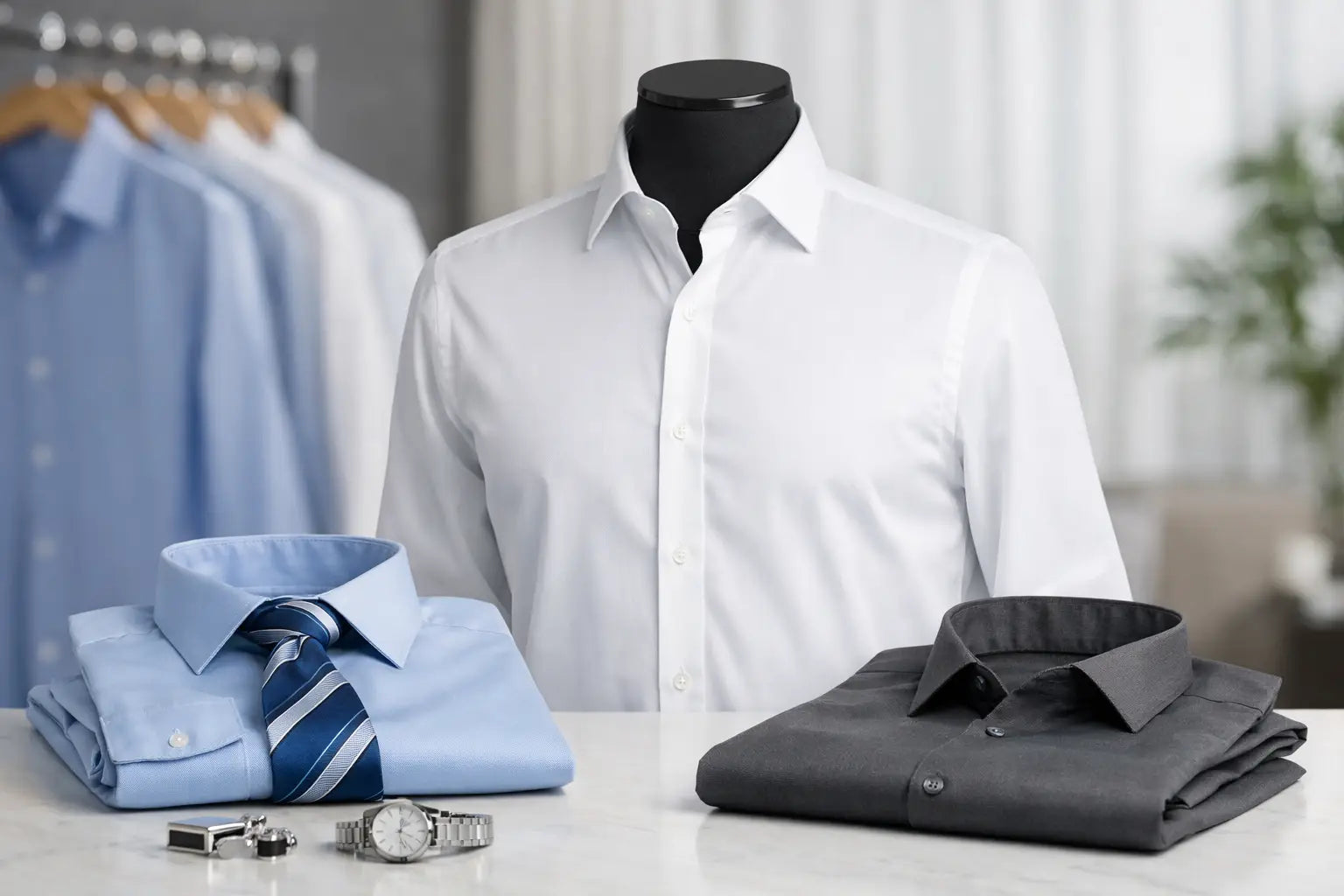
A true dress shirt is built with precision in mind. The fabric is usually smoother and more refined, often in poplin, pinpoint, twill, or other tightly woven cotton blends that present a clean surface. That crispness matters because dress shirts are meant to look sharp under tailored layers and hold their shape through long wear.
Collars are another giveaway. Dress shirts tend to have more structure, whether that comes from collar stays, firmer interfacing, or a more formal collar spread. Cuffs are usually more defined as well, and the placket and stitching are often cleaner and less visually casual. Even when the shirt includes stretch, the goal is still a polished finish rather than a laid-back feel.
Fit also plays a major role. A good dress shirt should follow the body without pulling across the chest or billowing at the waist. Too slim, and it strains when tucked in. Too loose, and it loses the clean line that makes a dress shirt effective in the first place. For men who wear shirts all day, this is where modern fabric matters. A dress shirt with stretch gives you the tailored look without the stiff, restrictive feel older shirts were known for.
When a dress shirt is the right call
Dress shirts perform best when the setting expects more discipline in your appearance. Think client meetings, presentations, weddings, date nights in elevated venues, and office environments where a blazer is part of the routine. They are also the strongest choice when you want your shirt to disappear into a refined outfit rather than become the focal point.
That said, not every dress shirt needs to feel formal in the old-school sense. Contemporary business-casual dressing has shifted toward dress shirts with softer hand feel, stretch construction, and more wearable fits. That is where the category becomes more useful. You still get a polished look, but the shirt works harder across real life.
What makes a casual button-up different
A casual button-up keeps the button-front construction but changes the attitude. The fabrics are often softer, more textured, or slightly heavier. Oxford cloth, brushed cotton, chambray, linen blends, and knit-stretch fabrics all fit naturally in this category because they bring comfort and visual depth.
The collar is usually less rigid, which immediately lowers the formality. Details may be more expressive too, whether that means contrast trim, patterned fabric, chest pockets, or a slightly more relaxed shape through the body. Casual button-ups are often designed to look good untucked, though many can still be tucked in cleanly with chinos or performance pants.
This is where versatility becomes a major selling point. A strong casual button-up can move from work to dinner to weekend without looking misplaced. It bridges the gap between a T-shirt and a dress shirt, which is exactly why it has become the foundation of modern business-casual wardrobes.
When a casual button-up works best
Casual button-ups are ideal for offices with flexible dress codes, social events, travel, everyday wear, and smart-casual occasions where you want to look put together without reading overly formal. They also tend to be the easier option for men who want comfort first but still care how they present themselves.
The trade-off is that not every casual button-up can replace a dress shirt. In a more formal setting, a soft collar or textured fabric may look underdressed next to tailored trousers and a structured jacket. That does not make the shirt worse. It just means it serves a different purpose.
Fit, fabric, and finish matter more than labels
Many men shop by category name and miss the details that actually determine performance. Not every dress shirt is formal enough for a suit. Not every casual button-up is too relaxed for the office. The difference often comes down to execution.
A shirt with a contemporary fit, clean lines, and premium stretch fabric can blur the line in a very useful way. That is especially true for men who need one shirt to cover multiple parts of the day. If the fabric looks refined, the collar holds its shape, and the body is tailored without being tight, the shirt can often handle business-casual settings with ease.
On the other hand, if the fabric is heavily textured, the hem is designed to stay untucked, or the collar is very soft, the shirt will lean more casual no matter how polished the rest of the outfit looks.
This is why fabric is one of the smartest places to focus. Smooth cotton and cotton-stretch blends tend to dress up better. Textured weaves and softer washed finishes read more casual. Performance features like stretch, breathability, and wrinkle resistance are valuable in both categories, but they should support the shirt's appearance rather than fight it.
How to choose the right shirt for your wardrobe
If your week includes offices, dinners, events, and travel, the smartest move is not choosing sides. It is building range. Start with the occasions that matter most.
If you regularly wear blazers, tailored pants, or dress shoes, invest first in dress shirts that offer clean structure and enough stretch for all-day comfort. These shirts handle the highest-pressure moments in your wardrobe, so they need to fit well and maintain a crisp appearance from morning to evening.
If your dress code is more flexible, or you want pieces that can work Monday through Sunday, add casual button-ups with elevated fabrics and a tailored fit. These are often the most useful shirts in a business-casual closet because they can be worn tucked or untucked, layered or on their own, and styled with everything from chinos to dark denim.
For many men, the sweet spot is a shirt that looks polished but feels easy. That is why modern menswear brands, including LEVINAS, have pushed the category toward stretch fabrics, cleaner tailoring, and versatile design details. The goal is simple: shirts that perform across more settings without asking you to sacrifice comfort.
Casual button up vs dress shirt for work, weekends, and everything between
For work, the answer depends on how formal your environment really is. A dress shirt is still the safer option when authority and polish matter most. A casual button-up works when your office leans business-casual and your styling is intentional.
For weekends, the casual button-up usually wins. It feels more natural, looks less rigid, and pairs more easily with off-duty pieces. But if you are heading to a restaurant, party, or event with a sharper dress expectation, a dress shirt can still make sense, especially if it is cut from a softer stretch fabric that keeps the look modern.
For men who want fewer, better pieces, versatility is the real benchmark. Choose shirts that match your actual schedule, not an imagined one. If you spend more time in hybrid settings than formal ones, a well-made casual button-up may give you more value. If your wardrobe needs authority and structure, the dress shirt should carry more weight.
The right shirt is the one that makes getting dressed easier and your appearance stronger. Once you know what each category is built for, buying becomes simpler, and your wardrobe starts working the way it should.

Leave a comment
This site is protected by hCaptcha and the hCaptcha Privacy Policy and Terms of Service apply.