
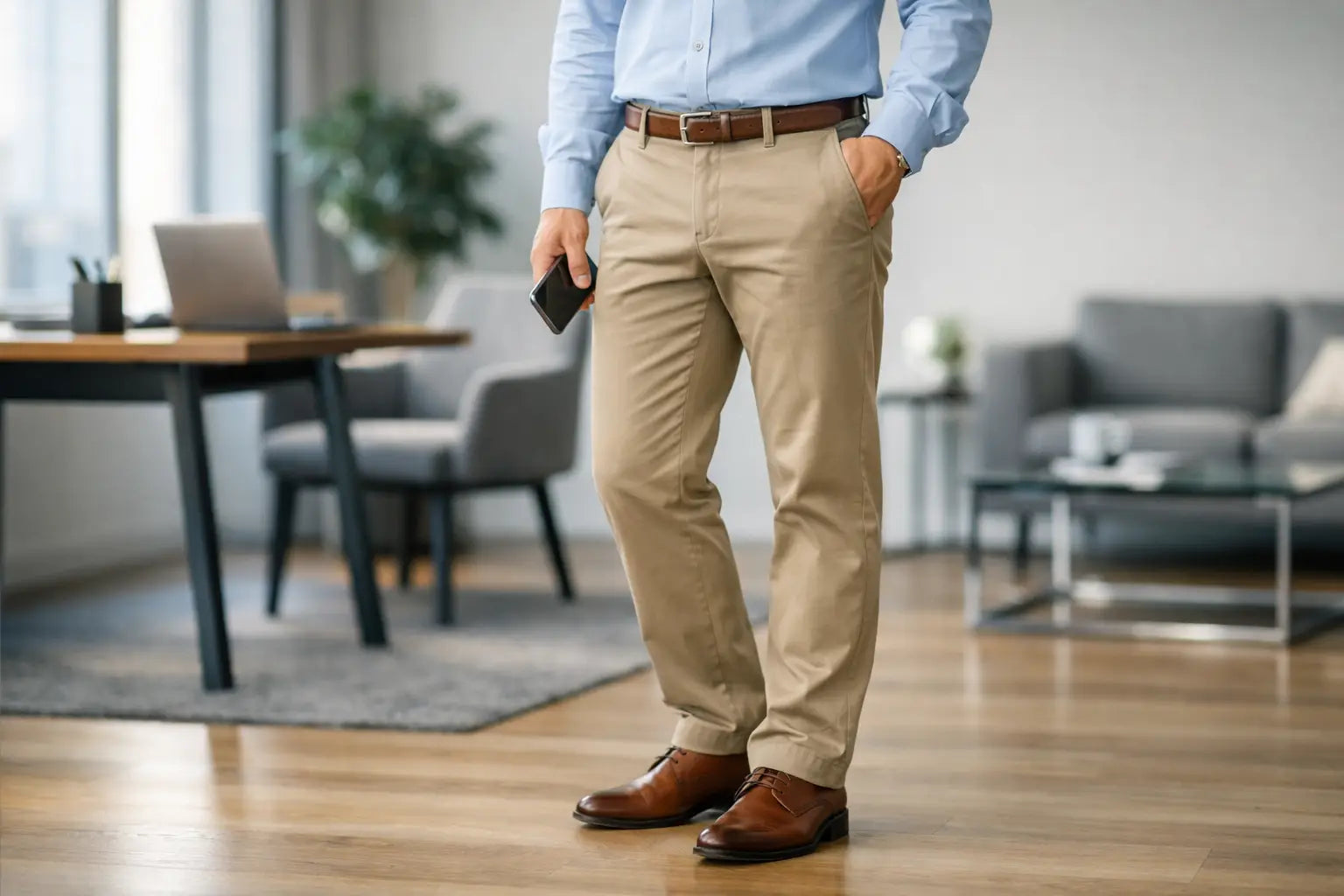
How to Choose Office Chinos That Look Sharp
A pair of office chinos can look polished at 8 a.m., feel comfortable by 3 p.m., and still hold their shape at dinner - but only if you buy the right pair. If you are figuring out how to choose office chinos, the real question is not just color or size. It is whether the fabric, fit, structure, and styling details actually match the way you work.
For most men, chinos sit in the most important part of the wardrobe: the space between formal trousers and casual five-pocket pants. That makes them useful, but it also makes them easy to get wrong. Too slim and they pull across the thigh. Too relaxed and they read weekend instead of office. Too crisp and they feel stiff by noon. The best office chinos handle all three demands at once - clean appearance, day-long comfort, and enough versatility to move across dress codes.
How to choose office chinos for your work setting
Before you look at fabric or fit, start with your office. A finance office, a client-facing sales role, and a creative workplace may all say business casual, but they do not mean the same thing.
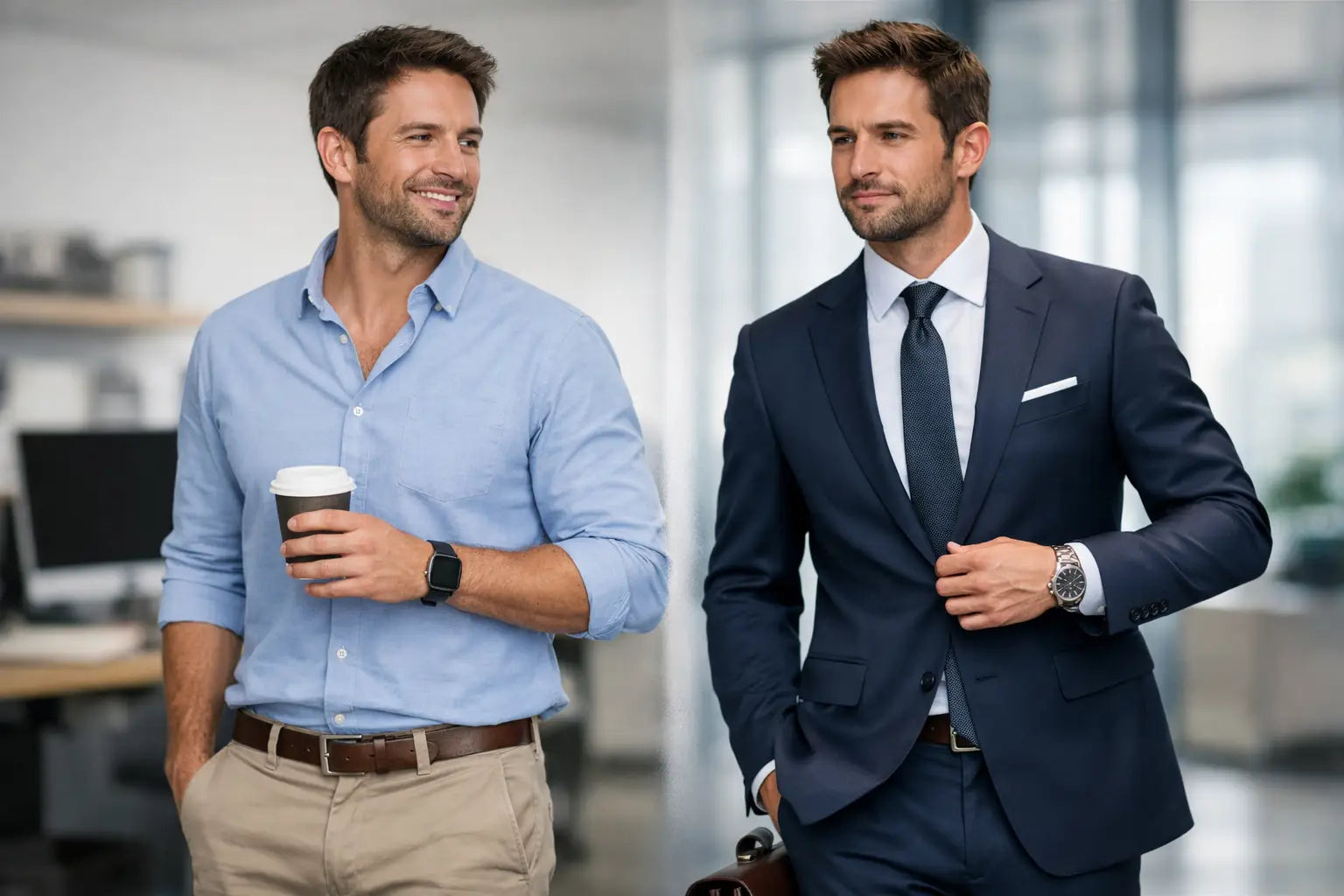
In a more traditional office, chinos should look close to tailored trousers. That usually means a clean front, minimal visible stitching, deeper neutral colors, and a tapered but not tight leg. In a casual office, you have more room to wear lighter shades, softer fabrics, and a slightly more relaxed profile. If your schedule moves between meetings, travel, and after-work plans, versatility matters more than making a fashion statement.
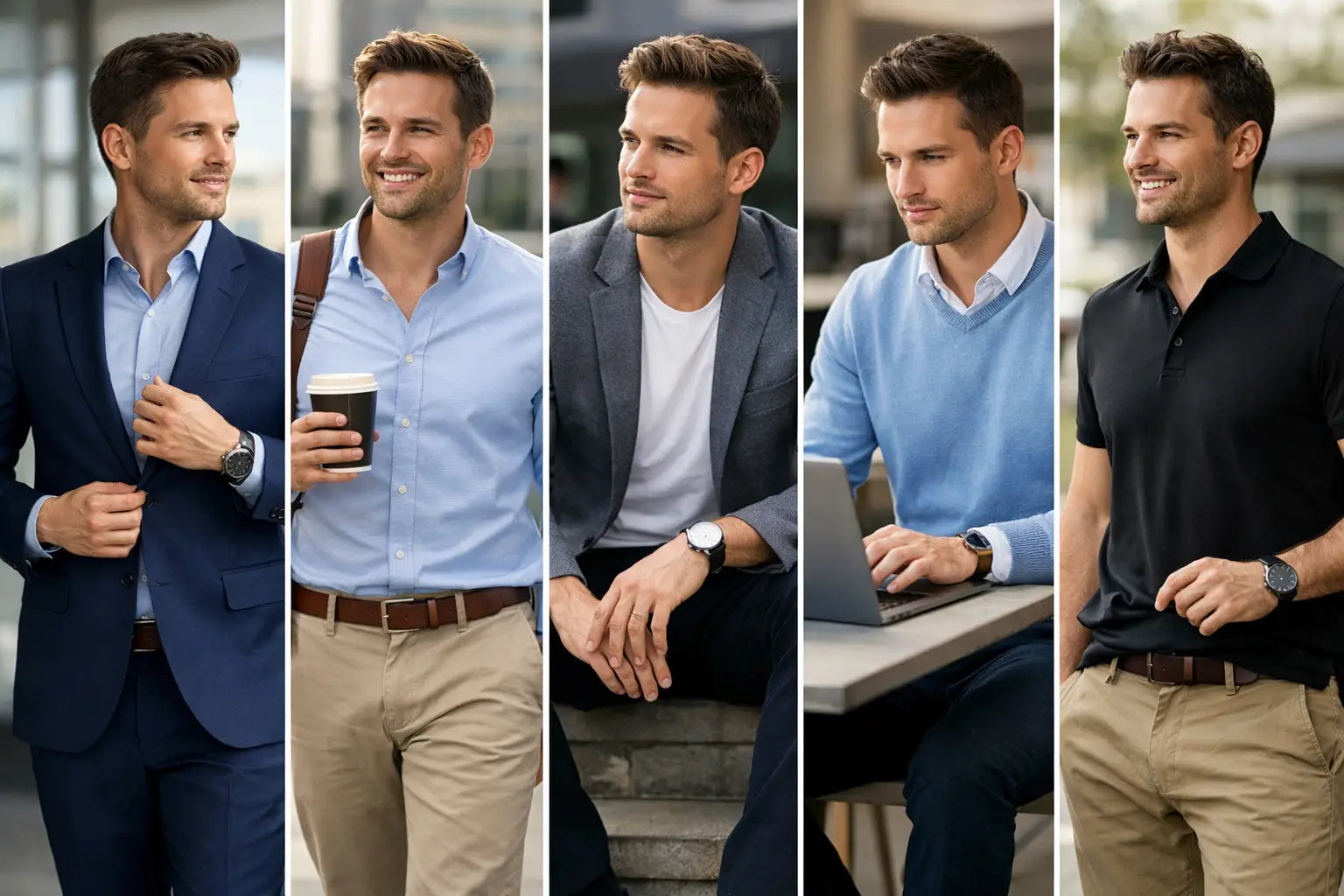
This is where many men overshop trend and undershop function. Office chinos are not just about what looks good on a product page. They need to pair easily with button-up shirts, knit polos, sport coats, and clean leather shoes. If you cannot picture at least three work-ready outfits around the pair, they are probably not pulling enough weight in your closet.
Fit is the first filter
The quickest way to tell whether chinos belong in the office is the fit. Even premium fabric looks average when the proportions are off.
The rise matters more than most men think. A mid-rise is usually the safest choice for office wear because it sits naturally at the waist, keeps the line clean when tucked in, and works well with belts and structured shirts. A rise that is too low can make the front look strained and less refined, especially in seated positions.
Through the seat and thigh, look for enough room to move without excess fabric. Chinos should skim the body, not grip it. If the pockets flare open, the thigh pulls when you walk, or the seat feels tight after an hour at a desk, size up or look for more stretch. On the other hand, if fabric collapses around the upper leg, the pant will look less tailored and more casual.
From the knee down, a gentle taper usually gives the best office result. It creates shape without looking fashion-driven. Extremely narrow ankles can make chinos feel dated and less balanced with dress shirts or loafers. A straight fit can work well too, especially for broader builds, but it should still look clean rather than boxy.
Length is the finishing point. For most office settings, a slight break or no break is ideal. Too much stacking at the ankle makes the pant look casual and unfinished. Too short, and the look can feel more styled than professional. The goal is simple: sharp when standing, clean when seated.
Fabric decides whether chinos feel premium
If fit gets you in the door, fabric decides whether chinos earn repeat wear. The best office chinos look structured enough for work but feel comfortable enough for a full day.
Cotton should still be the foundation. It gives chinos their classic appearance and enough body to hold shape. But pure rigid cotton is not always the best office choice, especially if your day includes commuting, long hours at a desk, or frequent movement. A touch of stretch improves comfort and helps the pant recover better through the knee and seat.
This is one area where performance matters, but there is a trade-off. More stretch usually means more flexibility, yet too much can make chinos look overly slick or less substantial. For office wear, you want a fabric that still looks like menswear, not activewear. A smooth hand, soft finish, and controlled stretch are a stronger combination than ultra-thin fabric with too much bounce.
Weight matters too. Lightweight chinos can be comfortable, but they may show more wrinkles and read more casually. Heavier fabrics often look richer and drape better, though they can feel warm in hotter climates. For year-round use, a midweight chino is usually the most versatile option.
When evaluating fabric, pay attention to surface finish. Office chinos should look clean, matte, and refined. Heavy slub texture, washed-out treatments, or overly distressed details belong more in casual settings.
What to look for in fabric details
A polished chino often comes down to details that are easy to miss at first glance. Stretch construction helps with comfort, but shape retention is just as important. A soft hand feel improves wearability, while a dense weave supports a cleaner drape. If the fabric looks thin under office lighting or wrinkles heavily after sitting, it will likely underperform in daily rotation.
The best colors for office chinos
Color is where versatility becomes visible. The foundation of every man’s office wardrobe starts with shades that work with multiple shirts, jackets, and shoes.
Navy, khaki, charcoal, and stone are the strongest starting points. Navy is especially effective because it feels slightly more dressed than standard tan and pairs naturally with white, blue, and patterned shirts. Charcoal offers a sharper alternative when you want something close to wool trousers without the formality. Khaki remains a classic, but the tone matters - cleaner and slightly deeper khakis look more office-ready than very pale beige. Stone works well in warmer seasons, though it can feel more relaxed depending on the outfit.
If you are building from scratch, start with darker neutrals first. They hide wear better, transition more easily from office to evening, and feel more elevated with minimal effort. Lighter shades are valuable, but they are usually your second or third pair, not your first.
Bolder colors can work in the right office, but they have less mileage. Olive, muted brown, or slate can still look refined. Bright seasonal tones usually do not deliver the same flexibility.
Styling details that separate office chinos from casual chinos
Two pairs of chinos can share the same color and fit but feel completely different once you look at the design. For office wear, restraint is usually the smarter move.
A flat front is the most versatile choice for modern business-casual dressing. It keeps the line clean and pairs easily with tucked shirts and lightweight layers. Pocket design matters too. Slanted front pockets and welted back pockets typically look sharper than patch styles or overly casual construction.
Visible hardware, contrast stitching, cargo-inspired seaming, and excess branding all lower the formality of the pant. Those details may work for casual wear, but they weaken the tailored effect that office chinos should deliver. A clean waistband, polished closure, and neat finishing around the hem make a bigger difference than most men expect.
This is also where a brand’s fit philosophy can help. LEVINAS, for example, builds around comfort-driven tailoring and stretch performance, which is exactly what office chinos should offer when you need sharp presentation without sacrificing mobility.
How to choose office chinos that work with your shirts
Office chinos should not be chosen in isolation. They need to support the shirts you already wear most.
If your wardrobe leans toward crisp white, light blue, and subtle patterned button-ups, darker chinos create an easy, balanced look. If you wear more knit shirts or softer casual button-downs, medium neutrals often blend better. The cleaner and more structured the shirt, the more polished the chino should be.
Think about proportions too. A tailored shirt with a bulky or loose pant creates tension in the outfit. A contemporary-fit shirt pairs best with chinos that follow the body without clinging. The idea is continuity - clean lines on top, clean lines on bottom.
Shoes finish the equation. Loafers, derbies, and minimal leather sneakers all work with office chinos, but each shifts the dress level slightly. If you need the pant to flex across all three, choose one with a refined fabric and tailored silhouette first. That gives you more room when styling.
What to avoid when buying office chinos
The most common mistake is buying chinos that are comfortable in the fitting room but sloppy in real use. Pants can feel easy for five minutes and still lose shape by midday.
Avoid fabric that bags heavily at the knees, fits that pull across the thigh, and lengths that puddle over the shoe. Be careful with ultra-skinny cuts, washed finishes, and details that push the pant too far into casual territory. Also avoid buying purely by waist size if the rise and thigh are wrong. Office chinos have to work in motion, not just standing still.
Price matters, but value matters more. A cheaper pair that wrinkles, stretches out, or limits your outfit options is not actually the better buy. The stronger choice is the one you can wear often, style easily, and trust through a full day.
A good pair of office chinos should make getting dressed easier, not more complicated. When the fit is clean, the fabric has real substance, and the color works across your wardrobe, you stop thinking about the pant and start relying on it - which is exactly what the best pieces are supposed to do.

Leave a comment
This site is protected by hCaptcha and the hCaptcha Privacy Policy and Terms of Service apply.